
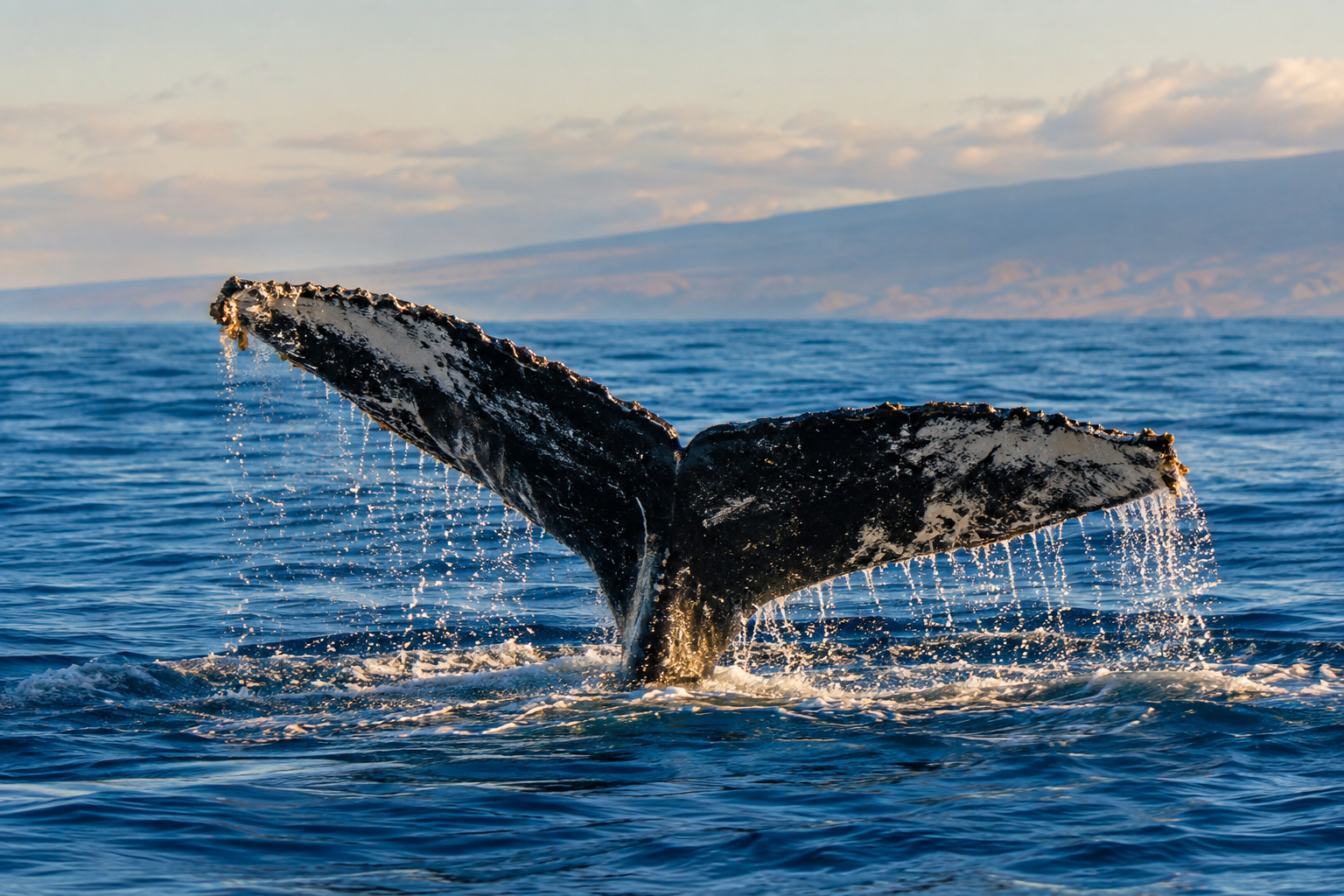
Kona Whale Watching: How to See Humpbacks on the Big Island
Every winter, thousands of humpback whales swim about 3,000 miles from Alaska to spend the season in Hawaiian waters. The Kona coast is one of the easiest places on the Big Island to watch them. Mornings here are usually calm, the water is clear, and the coastline faces west into open ocean, so a spout a mile or two out stands out against the flat blue water.
A lot of our guests see their first whale without leaving the rental. It usually goes like this: the coffee is brewing, someone steps out onto the lanai, and there's a puff of white mist on the horizon. Then a tail. Then everyone is outside in their pajamas.
This guide covers when to come, where to look from shore, how to pick a tour, how to hear whale song for yourself, and the rules that protect the whales. Since January through March is one of the busiest times of year on this coast, we've also included some honest advice on planning a winter stay in Kona.
When Is Whale Season in Kona?
Humpbacks are in Hawaiian waters from about November through April. A few early arrivals show up in late fall, numbers climb through December, and the peak runs from January through March. By early May, nearly all of them have headed back north to feed.
If whales are the main reason for your trip, January and February are your best bet. Volunteers have counted whales from Big Island shore sites every winter since 1996, and those counts show the highest numbers in those two months. By March, sightings on the Kohala coast drop to roughly half.
One detail catches people off guard. The tour season is shorter than the whale season. Most Kona boats start whale trips around mid-December and wrap up in early April. If your trip falls in late November or late April, the whales may be offshore but the tour boats won't be, so plan on watching from land.
Month | What to expect |
November | A few early arrivals. Sightings are possible but hit or miss. |
December | Numbers building. Most whale tours start mid-month. |
January | Peak season. High odds of seeing whales from shore or boat. |
February | Peak season. Often the best month of the year. |
March | Still very good, though numbers taper later in the month. |
April | Decent early in the month, sparse by the end. Tours stop in early April. |
May to October | No humpbacks. Resident whales and dolphins are still offshore (more on that below). |
For a month-by-month look at weather, crowds and prices, see our guide to the best time to visit the Big Island.
Why Humpbacks Come to Hawaii
Humpbacks spend summer feeding in cold, food-rich water near Alaska. In the fall they swim south to Hawaii to mate, give birth and nurse their calves. There's very little for them to eat here, so most of them fast all winter and live off stored fat. What Hawaii gives them instead is warm, sheltered water with few large predators, which makes it a safe place to raise a newborn.
Adults average around 45 feet long, about the length of a city bus. Calves weigh roughly a ton at birth and grow quickly on their mother's milk.
In Hawaiian, the humpback is koholā. Traditional belief connects whales to Kanaloa, god of the ocean, and you'll find the word in place names like Puʻukoholā Heiau on the Kohala coast, which means "hill of the whale."
Commercial whaling pushed humpbacks close to extinction in the last century. After decades of protection, the population that winters in Hawaii recovered enough that in 2016 NOAA decided it no longer needed endangered status. Every humpback here is still protected by federal law, and the rules further down this page apply year-round.
Where to See Whales From Shore in Kona
You don't need a boat to see humpbacks here. On a calm winter morning, whales often pass within a mile or two of the coastline, and anywhere with an open ocean view can work.
Go early if you can. Shore counts on the Big Island record about 50 percent more whales at 8 a.m. than at noon. Part of that is the water itself: it's usually glassier in the morning, and a spout is much easier to see on a flat surface than on whitecaps.
Bring binoculars. A spout two miles out is obvious through binoculars and easy to miss without them.
Look for the blow first. When a humpback exhales, it sends up a column of mist that hangs in the air for a second or two. Once you see one, keep watching that area. Humpbacks usually surface several times in a row before a longer dive, and they can stay down for several minutes, so give it 20 or 30 minutes before you give up.
Spots Close to Our Rentals
Your lanai. If you're staying with us, start here. Both of our properties look out over the ocean, and whale season is when those views earn their keep. Check the water with your morning coffee and again in the late afternoon.
Aliʻi Drive seawall and Kailua Pier. The seawall through Kailua Village gives you a long stretch of open water to scan, and you can grab a coffee or a shave ice while you wait. Many whale tours load at Kailua Pier, so you'll often see boats working offshore, which is a good hint about where the whales are.
Old Kona Airport Beach Park. Just north of town, this park has a long open shoreline, picnic tables and plenty of parking. It's an easy spot for a morning walk with binoculars.
Keauhou Bay. A quieter option south of town. Sit near the mouth of the bay early in the morning, before the day gets busy, and scan the open water beyond it.
The Kohala Coast: Best Odds From Shore
For the highest numbers, drive north. Shore counts on the Kohala coast record two to three times as many whales as other shore sites on the island. Three of the best spots are free and sit within about 10 minutes of each other on Highway 270 north of Kawaihae, roughly an hour from Kailua-Kona.
Puʻukoholā Heiau National Historic Site sits on a rise above Kawaihae Harbor with wide views of the water. The heiau itself is worth an hour of your time, and Spencer Beach Park is right next door if you want to swim afterward.
Lapakahi State Historical Park is near mile marker 14. The viewing area is at the top of a hill about 100 feet up, which lets you see a lot of ocean. It's hot, dry and shadeless, so bring water and a hat.
Kapaʻa Beach Park is just past mile marker 16, down a one-lane road. It's a little lower than Lapakahi, but it has covered picnic pavilions, and you'll appreciate the shade by 10 a.m.
A good plan for this day: leave Kona early, watch until the wind picks up, then stop at Hapuna or Spencer Beach on the way back if the surf is calm. Our guide to the best beaches on the Big Island has more on both.
Kona Whale Watching Tours: How to Choose
Nearly all Big Island whale watching tours leave from Kailua Pier or Honokōhau Harbor, both a short drive from Aliʻi Drive and Keauhou. A few sail from Kawaihae on the Kohala side. Most trips last about two and a half hours, and standard adult tickets generally run somewhere around $125 to $150.
The biggest decision is boat size. Larger catamarans and pontoon boats are steadier, have restrooms and shade, and usually carry a hydrophone so you can hear whale song through a speaker on deck. Many have a naturalist on board. They're the easy pick for families, older travelers and anyone who gets seasick.
Rafts sit low and move fast. You'll be at eye level with the whales and cover more water in the same amount of time. The ride is bumpy and wet, and most raft operators won't take young children, pregnant passengers or anyone with back or neck problems.
Boat size doesn't change how close you get. Federal rules keep every vessel at least 100 yards from a humpback. What changes is the ride.
A few more things to know before you book. Morning trips usually have calmer water than afternoon ones. Some operators offer a sighting guarantee, which means you ride again free if you don't see a whale. For January and February, book at least a week ahead. And try not to schedule your whale trip for your last day. If wind cancels it, you'll want time to rebook.
How to Hear Humpback Whale Song
Male humpbacks sing during breeding season. The songs are long and structured, the males in an area all sing nearly the same one, and that song slowly changes from year to year. Researchers still don't agree on exactly what it's for.
Sound carries a long way underwater, so you don't have to be close to hear it. The easy way is a tour boat with a hydrophone. The more memorable way is to hear it yourself while snorkeling.
On a calm winter morning, if you've seen spouts offshore, swim out to water deeper than about five feet, take a breath and drop a few feet below the surface. Equalize your ears, hold still and listen. On a good day you'll hear groans, whoops and long rising notes, and once you've heard it, you won't forget what it sounds like.
A word of caution. Winter can bring big swells to parts of the Kona coast, including Kahaluʻu and Magic Sands. Only get in when the water is calm, snorkel with a buddy, stick to lifeguarded beaches if you're new, and never stand on coral. Our beginner's guide to snorkeling in Kona covers the rest.
Reading Whale Behavior
Once you know what you're looking at, a sighting gets a lot more interesting.
A breach is the one everyone hopes for. The whale launches most or all of its body out of the water and lands with an enormous splash, and it often does it more than once. A tail slap is what it sounds like: the whale lifts its tail and brings it down hard on the surface, sometimes over and over. In a pec slap, the whale rolls onto its side and slaps one of its pectoral fins on the water. Those fins can be 15 feet long, so you can see the splash from a long way off.
A spyhop is when a whale rises straight up and holds its head above the surface, apparently to take a look around. When a whale arches its back and lifts its tail flukes high into the air, it's usually starting a deeper dive, and you may not see it again for a while.
In peak season you might also catch a competition pod. That's several males chasing one female at speed, shoving and splashing and sometimes breaching as they go. It's loud, rowdy and can last a long time.
The 100-Yard Rule and Other Whale Etiquette
Federal law makes it illegal to approach a humpback whale within 100 yards anywhere within 200 nautical miles of Hawaii. That applies to swimmers, kayakers, paddleboarders and drone pilots as well as boats. Aircraft have to stay 1,000 feet away.
If a whale comes toward you on its own, you haven't done anything wrong. Stay put, stay calm and let it pass. Closing the distance yourself is what's off limits.
Spinner dolphins have their own rule: stay at least 50 yards away. They often rest in Kona's bays during the day after feeding offshore all night, and people chasing them cuts into that rest.
If you see a whale tangled in fishing line or one that looks injured, don't try to help it yourself. Note the location and call the NOAA Marine Wildlife Hotline at 1-888-256-9840. It's a good number to save in your phone before you head out.
Volunteer for the Sanctuary Ocean Count
If your dates line up, you can spend a morning counting whales for science. The Sanctuary Ocean Count, run by NOAA's Hawaiian Islands Humpback Whale National Marine Sanctuary, takes place on the last Saturday of January, February and March, from 8 a.m. to about noon, at shore sites on the Big Island, Oʻahu and Kauaʻi.
Visitors are welcome to sign up. Registration opens on the first Monday of each count month and spots fill quickly, so register the day it opens at oceancount.org. Your tallies join a data set volunteers have been building for 30 years.
Whales in Kona Outside Humpback Season
Humpbacks are gone by May, but Kona has something unusual going for it. The ocean floor drops off steeply close to shore here, so deep water is only a short boat ride away, and that deep water is home to species most visitors never hear about. Short-finned pilot whales, false killer whales, sperm whales and several kinds of beaked whales all live off this coast, and some of them stay year-round.
A few operators run offshore trips out of Honokōhau Harbor from spring through fall to look for them. These trips go farther out than a humpback tour, so the ocean can be rougher, and they usually have minimum ages. If you're visiting in summer and still want to see whales, this is how you do it.
Planning a Whale Season Stay in Kona
January through March is one of the busiest stretches of the year on the Kona coast, especially around the holidays, Presidents' Day weekend and spring break. Flights, tours and ocean-view rentals fill up early. If you have your heart set on February, start looking in summer or early fall.
Plan for at least five nights. Winter weather in Kona is usually pleasant, but a windy day or a high-surf advisory can cancel a boat trip, and a few extra days give you room to rebook.
Here's a simple whale-focused plan. Spend your first morning on the lanai and along the Aliʻi Drive seawall, getting your eyes used to spotting spouts. Book a morning boat for day two or three. Save another early morning for the drive to Puʻukoholā Heiau and Kapaʻa Beach Park, and swim at Spencer Beach on the way home. Fill your afternoons however you like, whether that's a Kona coffee farm, the manta ray night snorkel, or a nap.
Pack a light windbreaker for the boat, since it can feel cool on the water once you're wet and moving. If you're prone to seasickness, take medication before the trip, not after you start feeling it. And bring reef-safe sunscreen, because Hawaii bans sunscreens containing oxybenzone and octinoxate.
Winter has other perks, too. Kona coffee harvest runs into the winter months, the manta rays are here all year, and clear winter nights are great for stargazing from the lanai.
Why an Ocean-View Rental Makes Whale Season Better
A boat tour gives you two and a half hours with the whales. An ocean-view rental gives you every morning and every evening of your trip.
You can drink your coffee on the lanai and watch for spouts before most of the island is awake. You can come back from the beach mid-afternoon and check the water again. When a whale breaches at sunset, you're already sitting down with dinner.
A full kitchen helps more than you'd think. Whale tours and shore watching are best early, and it's much easier to get out the door at 7 a.m. with breakfast made at home than to hunt for a restaurant that's open.
Our rentals on Aliʻi Drive and in Keauhou put you close to Kailua Pier, Honokōhau Harbor and Keauhou Bay, so the boats are only minutes away and the Kohala coast is an easy morning drive.
Winter dates are the first to go. If whale season is on your list, check our calendar now, and book directly with us to claim your 5% discount.
Check availability for whale season →
Kona Whale Watching FAQ
When is whale watching season in Kona? Humpbacks are in Hawaiian waters from about November through April, with the peak from January through March. Most Kona whale watching tours run from mid-December to early April.
What is the best month to see whales on the Big Island? January and February. Long-term shore counts show the highest numbers in those two months, and March is still good.
Can you see humpback whales from shore in Kona? Yes. On calm mornings, whales are often visible from the Kona coastline, including the Aliʻi Drive seawall, Old Kona Airport Beach Park and oceanfront lanais. The Kohala coast north of Kawaihae has the highest shore sighting numbers on the island.
How much does a whale watching tour in Kona cost? Most standard 2.5-hour tours cost around $125 to $150 per adult, with lower prices for children. Prices vary by operator and boat type.
Can you swim with humpback whales in Hawaii? No. Federal law prohibits approaching humpbacks within 100 yards, whether by boat, kayak, paddleboard, drone or swimming.
Are there whales in Kona in the summer? Humpbacks leave by May, but pilot whales, false killer whales, sperm whales and other deep-water species live off the Kona coast. Some operators run offshore trips from spring through fall to find them.
Is Kona or Maui better for whale watching? Maui has the highest concentration of humpbacks in Hawaii, especially in the channel between Maui, Lānaʻi and Molokaʻi. Kona still has excellent whale watching in calm leeward water, plus resident deep-water whales you can look for year-round.
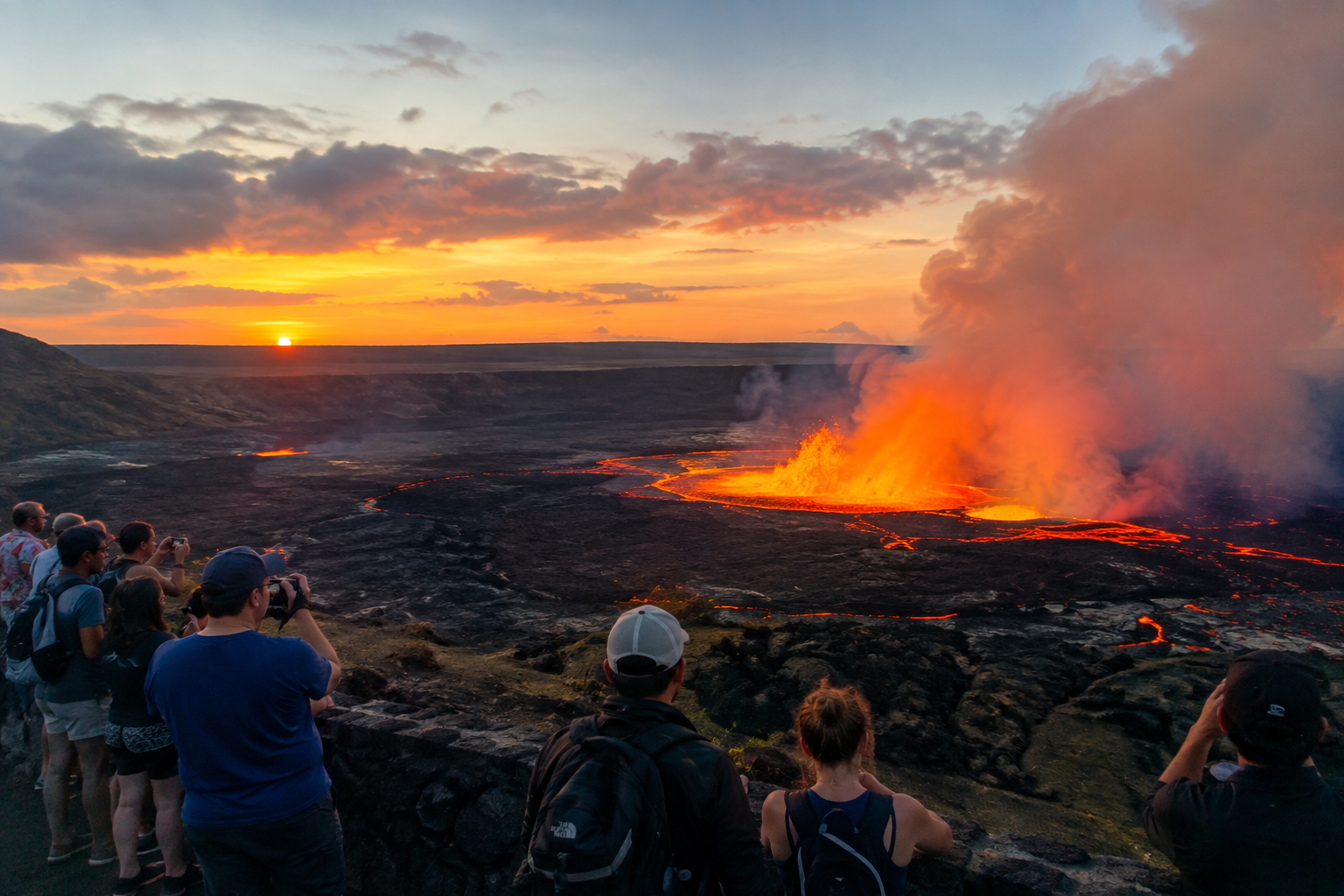
Volcano Day Trip from Kona: How to Visit Hawaiʻi Volcanoes National Park
Last updated: September 10, 2026
One of the first things guests ask us is whether they can see the volcano from Kona. You can. Hawaiʻi Volcanoes National Park is about two and a half hours from Kailua-Kona by car, which makes it a long but very doable day trip. Kīlauea, the volcano at the heart of the park, has been erupting on and off since December 2024, so there's a real chance you'll see lava glowing in the crater.
This guide covers the two routes from Kona, the best one to take right now, a timed itinerary, how to catch the eruption, and what to pack for a summit that's a lot colder than the beach you left that morning.
Current conditions (September 2026)
Hurricane Lala hit the Kaʻū district on August 15, 2026, and badly damaged Highway 11, the southern route between Kona and the park. The state rebuilt the washed-out sections by late August, but repair work, lane closures and reduced speed limits continue, and heavy rain left behind by Hurricane Lowell flooded and closed the highway again on September 9. The park has asked visitors coming from the west side to use Saddle Road instead of driving through Kaʻū.
Punaluʻu Black Sand Beach Park was listed as closed after the storm, and Hawaiʻi County's lease on the park ended August 29, so access and facilities there are uncertain. Punaluʻu Bake Shop in Nāʻālehu is closed indefinitely after a landslide buried the property.
Most of the national park has reopened. Mauna Loa Road beyond Kīpukapuaulu, Kīpukapuaulu Trail, Nāmakanipaio Campground and the Kahuku Unit remain closed.
Before you go, check NPS park alerts, the USGS Kīlauea updates and Hawaiʻi DOT road news. Many people in Kaʻū are still cleaning up and living without reliable power or water, so please give work crews and residents plenty of room.
How Far Is Volcanoes National Park from Kona?
The park entrance is roughly 95 miles from Kailua-Kona on the southern route, and plan on about two and a half hours of driving each way on either route. Add time for stops, construction zones and a slow car on a two-lane road. If you're staying in Keauhou, you're about 15 minutes closer on the southern route.
There's no public transit that makes this trip practical, so you'll need a rental car. There are also no gas stations in the park and only a few along either route, so fill up in Kona before you leave.
Two Routes from Kona to the Volcano
The Northern Route: Saddle Road Through Hilo
From Kona, head north on Highway 190 and pick up the Daniel K. Inouye Highway, which everyone here calls Saddle Road. It crosses the island between Mauna Kea and Mauna Loa, climbing to about 6,600 feet through open lava fields and grassland, then drops down into Hilo. From Hilo it's about 45 minutes up Highway 11 to the park entrance.
Saddle Road used to be a rough, narrow road that rental car companies told customers to avoid. That hasn't been true for years. It's now a modern, well-paved highway and the fastest way across the island. It can get foggy and cold near the top, especially in the afternoon and at night, so drive with your lights on and watch your speed.
The big advantage of this route is Hilo. You can stop for breakfast, see Rainbow Falls, which takes about 10 minutes, and if it's a Wednesday or Saturday, walk through the Hilo Farmers Market. This is the route the park currently recommends from the west side.
The Southern Route: Highway 11 Through Kaʻū
The classic route runs south from Kona on Highway 11 through the coffee farms of South Kona, across miles of lava flows near Ocean View, and through the small towns of Nāʻālehu and Pāhala before climbing to the park. It's quieter and more remote, and it passes through some of the least-visited country on the island.
In normal times, this route includes two well-loved stops: the black sand beach at Punaluʻu, where green sea turtles often rest on shore, and Punaluʻu Bake Shop for malasadas and sweet bread. As of this update, both are affected by Hurricane Lala damage (see the conditions box above). When Kaʻū has recovered and the highway is back to normal, this is a beautiful drive, and the businesses along it will be glad to see visitors again.
Our Recommendation: Make It a Loop
When both roads are in good shape, the best version of this trip is a loop. Drive one route in the morning and the other on the way home, so you see both sides of the island without backtracking. Until Highway 11 through Kaʻū is fully repaired, take Saddle Road both ways.
A Timed Volcano Day Trip Itinerary from Kona
This schedule uses the Saddle Road route in both directions. It's a full day, so pick the stops that matter most to you rather than trying to do all of them.
Time | Stop |
6:30 a.m. | Leave Kona with a full tank and a packed lunch |
8:30 a.m. | Breakfast in Hilo, then Rainbow Falls |
10:00 a.m. | Drive to the park (about 45 minutes) |
11:00 a.m. | Welcome Center for the day's conditions, then the crater overlooks |
12:00 p.m. | Picnic lunch |
12:45 p.m. | Kīlauea Iki Trail or Chain of Craters Road |
4:00 p.m. | Steam vents, Sulphur Banks and Nāhuku lava tube |
5:30 p.m. | Dinner in Volcano Village |
After dark | Back to the rim for lava glow if the eruption is active |
8:00 p.m. | Drive home to Kona |
Morning: Hilo and the Drive In
Leave early. You'll beat the traffic at the park entrance, and the Hilo side is usually clearest in the morning before clouds build. Breakfast in Hilo breaks up the drive nicely, and Rainbow Falls is only a few minutes from downtown. On sunny mornings you can often see a rainbow in the mist, which is how it got its name.
Late Morning: The Summit and the Crater
The Kīlauea Visitor Center is closed for a multi-year renovation. Rangers, maps and the park store have moved to a temporary Welcome Center at Kīlauea Military Camp, open 9 a.m. to 4:45 p.m. Stop there first and ask what's open that day, since closures around the crater can change quickly after an eruption episode.
The park has six named viewpoints on the rim of the caldera, known in Hawaiian as Kaluapele. Uēkahuna has the largest parking lot and a paved path, and it's where the old Jaggar Museum stood before the 2018 collapse. Kīlauea Overlook is a short walk away. Wahinekapu (Steaming Bluff) is the first one you reach from the entrance, so it's often the most crowded. Kūpinaʻi Pali (Waldron Ledge) is the quietest and farthest from the vents. The Keanakākoʻi overlooks put you closest to the eruption, about a 2-mile round-trip walk from the Devastation Trailhead.
Midday: Pick One Big Thing
After lunch, you realistically have time for one of these, not both.
Kīlauea Iki Trail. If you like to hike, do this one. It's a roughly 3.3-mile loop that drops through rainforest onto the floor of a crater that held a lake of lava in 1959. You walk across the hardened surface, past steaming cracks, and climb back out. Allow two to three hours and bring water.
Chain of Craters Road. If you'd rather drive, this road descends almost 4,000 feet over about 19 miles, past pit craters and old lava flows, all the way to the coast. Stop at the Puʻu Loa petroglyphs, where a boardwalk leads over thousands of images carved into the lava, and at the end of the road for the view of the sea cliffs. There are no services on this road at all, so go with plenty of gas and water. Allow about three hours round trip with stops.
Late Afternoon: Short Stops Near the Summit
Wahinekapu's steam vents and the Sulphur Banks boardwalk are short, easy walks near the entrance. Nāhuku, also called Thurston Lava Tube, is a lit lava tube you walk through after a short trail in a fern forest. Parking at Nāhuku is tight, so park at the Kīlauea Iki Overlook lot and take the connector trail. Part of the Nāhuku trail was closed in 2026 for a bridge replacement, so check its status at the Welcome Center.
People with heart or breathing problems, pregnant visitors, infants and young children should limit time at the steam vents and Sulphur Banks, where volcanic gas can build up.
Evening: Dinner and Lava Glow
Volcano Village, just outside the park entrance, has a handful of restaurants and a small general store. Volcano House, the historic hotel on the crater rim, also has a restaurant with a view into the caldera. Both are good options while you wait for dark.
If the eruption is active, go back to the rim after dark. Glowing lava is far more dramatic at night than it is in daylight. Bring a flashlight or headlamp for the walk back to your car.
The Drive Home
This is the part people underestimate. After a long day, you'll be facing about two and a half hours of driving, much of it in the dark and some of it through fog on Saddle Road. Trade off drivers if you can, and don't push on if you're getting drowsy. If you want to stay late for the lava, consider booking one night near Volcano and driving back to Kona the next morning.
How to See Lava at Kīlauea
Kīlauea's current eruption is happening in bursts, called episodes, inside Halemaʻumaʻu crater at the volcano's summit. Each episode can send lava fountains hundreds of feet into the air, usually for less than 12 hours, followed by a pause that can last days or weeks. The eruption area itself is closed to the public, and you watch from the overlooks on the rim.
The USGS Hawaiian Volcano Observatory posts a daily update, and it often includes a forecast window for when the next episode is likely to start. It's the single most useful thing to check when planning your trip. If an episode is forecast during your stay, try to schedule your volcano day for it. If the eruption is paused, you may still see a faint glow at night, and the rest of the park is well worth the trip.
Traffic and parking get heavy during active episodes, especially from about 5 to 9 p.m. If you can stand an early alarm, the hour before sunrise is the quietest time to be on the rim. Late at night works too.
Pay attention to the wind. Trade winds push volcanic gas, fine ash and thin strands of volcanic glass called Pele's hair in different directions depending on the day, and the park closes overlooks when air quality drops. Heavy ash and rock fall after a big episode can also close Uēkahuna, Kīlauea Overlook and nearby trails for days or weeks while crews clean up.
Stay behind the barriers. The rim has unstable cliff edges and ground cracks, and the closed areas are closed for good reason. And before you make the drive, take a look at the USGS live webcams of the crater. They'll tell you in a few seconds whether there's anything glowing.
What to Pack for a Volcano Day Trip
The summit sits at about 4,000 feet and is usually 12 to 15 degrees cooler than the coast. It rains often, and after dark it can feel downright cold, especially if it's windy. Guests who show up in shorts and flip-flops tend to regret it.
Bring a warm layer, a rain jacket, long pants, closed-toe shoes that can handle rough lava rock, a flashlight or headlamp, sunscreen, a hat and more water than you think you need. Pack snacks and a lunch too. Food options inside the park are limited, and a picnic at a crater overlook beats waiting in line.
If you're staying with us, pack the cooler in the kitchen the night before so you can get out the door early.
The park entrance fee is $30 per vehicle, good for seven days, and the park no longer accepts cash. An America the Beautiful annual pass or Hawaiʻi Tri-Park pass also works. The park itself is open 24 hours a day, every day.
Visiting With Respect
Hawaiʻi Volcanoes National Park is a place of deep cultural and spiritual significance. Many Native Hawaiians regard Kīlauea as the home of Pele, the goddess of volcanoes. Stay on marked trails, leave rocks and sand where you find them (taking them from a national park is illegal), and don't stack rocks or leave offerings. Rangers at the Welcome Center can share more about the cultural history of the area.
The same goes for the communities along the way. Kaʻū, in particular, is still recovering from Hurricane Lala. When the southern route reopens fully, spending money at local stores and restaurants there is one of the best things visitors can do.
Can You See the Volcano Without Driving?
If a five-hour round trip isn't appealing, you have two main alternatives. Helicopter tours fly over the volcano from both Kona and Hilo. Flights from Hilo are shorter and less expensive because the park is much closer, while flights from Kona cover more of the island but cost more. Guided van tours from Kona also run to the park, which lets you skip the driving and hear from a guide who knows the geology.
For many visitors, though, the drive is part of the experience. In one day you'll go from dry coastal sunshine to a high mountain pass, through the rainforest around Hilo, and up to a living volcano. There aren't many places in the world where you can do that.
Why Kona Is a Good Home Base for Your Volcano Day
A lot of people assume they need to stay near the volcano to see it. Most of our guests find that one volcano day is enough, and they'd rather spend the rest of their trip on the sunny, dry Kona side with the beaches, snorkeling and sunsets.
Staying in Kona means your volcano trip is one big day out, bookended by easy days at home. Rest up the day before on the lanai, head out early, and when you get back that night, you're home in your own space instead of checking into another hotel. Spend the next morning snorkeling at Kahaluʻu or sitting over coffee with an ocean view while you go through your photos.
If you want to catch the lava glow late at night, the best compromise is simple: stay with us in Kona for most of your trip and add one night near Volcano. Our where to stay on the Big Island guide explains how to split your stay.
Check availability at our Kona rentals →
For more planning help, see our 7-day Big Island itinerary, our guide to the best time to visit the Big Island and our list of top mistakes visitors make on the Big Island.
Volcano Day Trip from Kona: FAQ
How long is the drive from Kona to Hawaiʻi Volcanoes National Park? About two and a half hours each way, either on the southern route through Kaʻū (Highway 11) or the northern route over Saddle Road through Hilo. Allow extra time for stops and road work.
Which route should I take from Kona to the volcano right now? As of September 2026, the park recommends Saddle Road and Hilo for visitors coming from the west side, because Highway 11 through Kaʻū is still under repair after Hurricane Lala. Check Hawaiʻi DOT and NPS alerts before you go.
Can you do Volcanoes National Park as a day trip from Kona? Yes. Leave early, pick one major activity like the Kīlauea Iki Trail or Chain of Craters Road, and plan on getting back to Kona in the evening. If you want to see lava glow after dark, consider adding one night near Volcano.
Is Kīlauea erupting right now? Kīlauea has been erupting in episodes inside Halemaʻumaʻu crater since December 2024, with pauses between them. Check the USGS Hawaiian Volcano Observatory's daily update for the current status and the forecast for the next episode.
When is the best time to see lava at Kīlauea? After dark, during an active eruption episode. Before sunrise and late at night are the least crowded. Evening traffic in the park can be heavy during episodes.
How much does it cost to enter Hawaiʻi Volcanoes National Park? $30 per private vehicle for a seven-day pass. Payment is cashless, and annual passes such as America the Beautiful are accepted.
What should I wear to Volcanoes National Park? Layers, a rain jacket, long pants and sturdy closed-toe shoes. The summit is around 4,000 feet and much cooler and wetter than Kona.
Is Saddle Road safe to drive? Yes. Saddle Road is a modern, paved highway and the fastest route across the island. It can be foggy and cold near the summit area, especially at night, so drive carefully and fill up on gas before you go.
Keauhou Bay vs. Kona Town Manta Ray Tours: What's the Difference?
Guests staying in either Kona Town or Keauhou can enjoy an incredible manta ray experience, but where your tour departs from can significantly impact the overall adventure.
Tours Departing from Keauhou Bay
For many visitors, Keauhou Bay offers the most convenient and comfortable manta ray experience on the island. The famous viewing site known as "Manta Village" is located just outside the bay, which means most boats reach the manta rays in only 3 to 10 minutes.
This shorter ride means:
- More time in the water with the mantas
- Less chance of seasickness
- Easier experiences for children and first-time snorkelers
- Shorter overall tour times
- Faster return to your vacation rental
Many local residents and repeat visitors specifically choose Keauhou departures because of the quick access to the manta site. Travelers on Reddit frequently recommend Keauhou Bay departures for this reason, noting that some harbor departures involve significantly longer boat rides before reaching the manta viewing area.
Popular Keauhou Bay operators include:
- Sea Paradise
- Fair Wind Cruises
- Sea Quest Hawaii
- Hawaii Oceanic
- Dolphin Discoveries
- Anelakai Adventures
- Kona Mantas
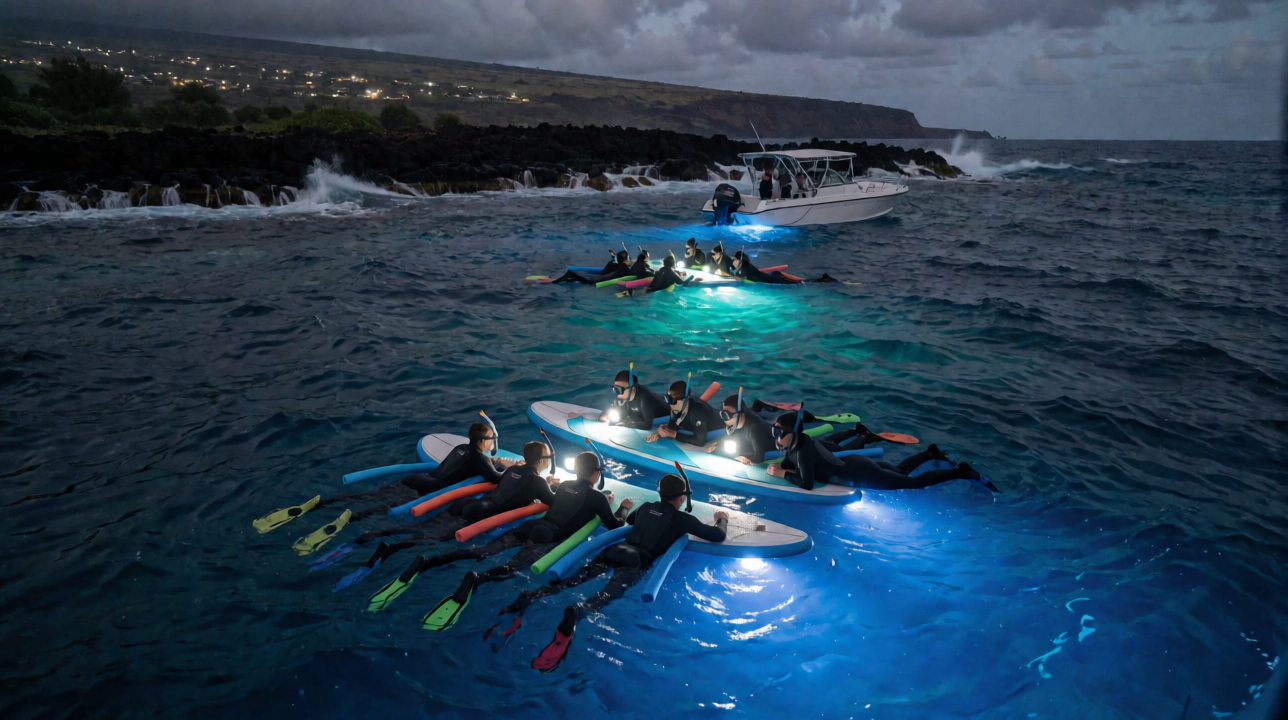
Tours Departing from Kona Town & Honokohau Harbor
Visitors staying near downtown Kona often choose tours leaving from the harbor area north of town. These operators may depart from Honokohau Harbor and travel either to the northern manta site known as "Manta Heaven" near the airport or south toward Keauhou's Manta Village depending on conditions.
Advantages include:
- Convenient departure for guests staying close to town
- More operator choices
- Some tours combine sunset cruising with manta snorkeling
- Good option if you're already exploring the north Kona coastline
However, these departures often involve a longer boat ride—sometimes 20 to 40 minutes each way depending on the night's location and ocean conditions.
Popular harbor-based operators include:
- Kona Snorkel Tours
- Big Island Divers
- Kona Ocean Adventures
- Sunlight On Water
- Wahine Charters Kona, Hawaii
- Torpedo Tours
Which Departure Location Is Best?
For guests staying in our vacation rentals, the answer often depends on where you're located.
If you're staying in Keauhou: Choose a Keauhou Bay departure whenever possible. You'll be only minutes from the harbor and minutes from the manta viewing site.
If you're staying in Kona Town: Either option works well. Harbor departures are closer to your accommodations, while Keauhou departures may provide a shorter boat ride once you arrive.
For guests who are prone to motion sickness, traveling with young children, or simply want maximum time with the mantas, Keauhou Bay departures are often considered the preferred choice because of their exceptionally short ride to Manta Village.
The good news is that regardless of which operator you choose, swimming with manta rays remains one of Hawaii's most unforgettable experiences and consistently ranks among the top activities on the Big Island.

Why Choose Kailua-Kona for Your Big Island Vacation?
If you're planning your dream Hawaiian vacation, one question comes up more than any other:
"Where should I stay on the Big Island?"
After hosting thousands of happy visitors, we confidently recommend Kailua-Kona—especially if you want sunshine, beautiful beaches, incredible snorkeling, unforgettable sunsets, and easy access to nearly everything the Big Island offers.
Unlike the lush, rainy east side around Hilo, Kona enjoys warm, dry weather nearly year-round, making it the perfect home base for exploring Hawaii Island. Most visitors arrive through Kona International Airport, which is only about 15–20 minutes from downtown Kailua-Kona and Keauhou.
The 15 Most Frequently Asked Questions About Visiting the Big Island
1. Should I stay in Kona or Hilo?
For most visitors, Kailua-Kona wins.
Choose Kona if you want:
- Sunny weather
- Swimming and snorkeling
- Oceanfront dining
- Shopping
- Nightlife
- Sunset cruises
- Manta ray snorkeling
- Coffee farms
Choose Hilo if you love:
- Waterfalls
- Rainforests
- Botanical gardens
- A quieter local atmosphere
- Easier access to Volcanoes National Park
Many travelers visit Hilo for a day but stay in Kona.
2. Why is Kona so popular?
Because everything visitors dream about is nearby.
From Kailua-Kona you can easily enjoy:
- World-famous manta ray night snorkels
- Historic Aliʻi Drive
- Kona coffee farms
- Beautiful beaches
- Whale watching (winter)
- Fishing charters
- Snorkeling
- Scuba diving
- Amazing restaurants
- Incredible sunsets
It truly serves as the adventure hub of the west side of the island.
3. Do I need a rental car?
Yes!
The Big Island is enormous—larger than all the other Hawaiian Islands combined.
Driving gives you the freedom to explore:
- Volcanoes National Park
- South Point
- Punaluʻu Black Sand Beach
- Waipiʻo Valley Lookout
- Akaka Falls
- Kona Coffee Belt
- Hidden beaches
Public transportation is very limited.
4. How many days should I stay?
We recommend:
- 5 days: Highlights only
- 7 days: Ideal
- 10+ days: Best if you love adventure
Many guests tell us they wish they'd stayed longer!
5. Is Kailua-Kona walkable?
Parts of it are.
Historic Kailua Village and Aliʻi Drive offer:
- Restaurants
- Oceanfront bars
- Coffee shops
- Shopping
- Farmers markets
- Beaches
If you're staying in Keauhou, you'll likely want a car for exploring, though the area itself is peaceful and convenient.
6. What's the best beach near Kona?
Everyone has a favorite!
Popular choices include:
- Magic Sands Beach
- Kahaluʻu Beach Park
- Kua Bay
- Hapuna Beach
- Mauna Kea Beach
- Two Step
Each offers a different experience, from beginner snorkeling to powder-soft white sand.
7. Is Kona good for families?
Absolutely.
Families love:
- Calm snorkeling
- Sea turtles
- Dolphin cruises
- Luaus
- Beaches
- Coffee farm tours
- Easy shopping
- Safe atmosphere
Kids especially love spotting colorful tropical fish just offshore.
8. Can I see sea turtles?
Yes!
One of the best places is Kahaluʻu Beach Park, where Hawaiian green sea turtles are frequently seen resting near shore.
Remember:
Never touch or disturb sea turtles—they're protected by law.
9. Is the Big Island expensive?
It can be—but vacation rentals often save hundreds compared to resorts.
Benefits include:
- Full kitchens
- Free parking
- Laundry
- Extra space
- Multiple bedrooms
- Ocean views
- Better value for families
Cooking breakfast before exploring the island can save both time and money.
10. When is the best time to visit Kona?
The beauty of Kona is that there really isn't a bad time.
Many visitors love:
April–June
- Great weather
- Fewer crowds
September–November
- Warm ocean
- Excellent snorkeling
- Beautiful sunsets
Winter is also wonderful, especially if you're hoping to see humpback whales.
11. Can I visit Volcanoes National Park from Kona?
Yes!
It's approximately a 2½-hour drive each way, making it an excellent day trip.
Many guests combine:
- Volcanoes National Park
- Punaluʻu Black Sand Beach
- Local bakeries
- Scenic overlooks
12. What makes Kona different from Maui or Oahu?
The Big Island feels more authentic and less crowded.
Here you'll experience:
- Active volcanoes
- Lava landscapes
- Coffee farms
- Marine life
- Historic Hawaiian sites
- Quiet beaches
- Diverse climates—all on one island
It's ideal for travelers seeking both adventure and relaxation.
13. Is Keauhou a good place to stay?
Absolutely!
Many visitors prefer Keauhou because it offers:
- Peaceful oceanfront surroundings
- Great snorkeling nearby
- Easy access to manta ray tours
- Restaurants and shopping
- Less traffic than downtown Kona
- Beautiful sunset views
It's only minutes from Kailua-Kona while offering a quieter atmosphere.
14. What activities should I book in advance?
Popular tours often sell out, especially during holidays.
Reserve early:
- Manta ray night snorkels
- Scuba diving
- Fishing charters
- Luau experiences
- Helicopter tours
- Coffee farm tours
15. Why do guests keep coming back?
Because the Big Island offers something new every visit.
One day you can snorkel with manta rays.
The next day you're exploring lava fields.
Then you're sipping freshly roasted Kona coffee while watching one of Hawaii's most spectacular sunsets.
Few destinations offer so much variety in one vacation.
Why Our Kailua-Kona Vacation Rental Makes the Perfect Home Base
Whether you're visiting for adventure, relaxation, or a little of both, our vacation rental places you close to everything that makes the Kona Coast unforgettable.
From snorkeling with sea turtles and exploring local coffee farms to enjoying spectacular sunsets and discovering hidden beaches, you'll experience the best of Hawaiʻi at your own pace. After a day of island adventures, return to a comfortable home where you can unwind, prepare a meal, and plan tomorrow's journey.
We look forward to sharing the aloha spirit with you and helping make your Big Island vacation one you'll never forget.
_______________________________________________________________________________________________________
The Perfect 7-Day Big Island Itinerary
There's a reason visitors return to Hawaii's Big Island year after year. No other Hawaiian island offers such an incredible variety of landscapes, adventures, and experiences. In a single week, you can snorkel with sea turtles, explore an active volcano, sip world-famous Kona coffee, swim beneath waterfalls, stargaze from one of the world's highest mountains, and end each day watching spectacular sunsets over the Pacific Ocean.
Whether you're staying in one of our beautiful vacation rentals in Kailua-Kona or Keauhou, this itinerary is designed to help you experience the very best of the island while minimizing driving and maximizing your vacation.
Day 1 – Arrival & Discover Kailua-Kona
Welcome to paradise!
After landing at Kona International Airport, pick up your rental car and head to your vacation rental. Once you've settled in, ease into island time.
Spend your afternoon strolling along historic Aliʻi Drive, where you'll find oceanfront restaurants, boutiques, art galleries, and local shops. Visit Huliheʻe Palace, browse the local farmers market if it's open, and enjoy your first taste of Hawaiian shave ice or fresh poke.
As evening approaches, find a waterfront restaurant and watch your first Hawaiian sunset. Kona's sunsets are among the most beautiful in the world, and there's no better way to begin your vacation. Or just eat dinner on one of our large lanai's and watch the sunset from there!
Dinner Suggestions
- Kona Inn Restaurant
- Huggo's
- Foster's Kitchen
- Kona Brewing Company
Day 2 – Snorkeling & Beach Day
Today is all about enjoying the crystal-clear waters of the Kona Coast.
Start your morning at Kahaluʻu Beach Park, one of the island's best snorkeling spots. Calm waters make it ideal for beginners, and you'll likely see colorful tropical fish and Hawaiian green sea turtles.
If you're looking for soft white sand and turquoise water, continue north to Kua Bay or Hapuna Beach for an afternoon of swimming and relaxing.
Don't forget reef-safe sunscreen and plenty of water.
End the day with another unforgettable Kona sunset.
Day 3 – Coffee Farms & Keauhou
Today you'll discover why Kona coffee is famous around the world.
Drive through the scenic Kona Coffee Belt, where rolling hills are lined with coffee farms overlooking the Pacific Ocean. Many farms offer free tastings and guided tours where you'll learn how coffee is grown, harvested, and roasted.
Afterward, head to beautiful Keauhou.
Explore Keauhou Bay, browse the Keauhou Shopping Center, enjoy lunch overlooking the ocean, or simply relax by the water.
If you're visiting on a Friday evening, don't miss the Keauhou Farmers Market featuring local food, crafts, music, and fresh island produce.
Tonight is the perfect opportunity to experience one of the Big Island's most unforgettable adventures:
Manta Ray Night Snorkeling
Swimming alongside giant manta rays as they gracefully glide beneath you is consistently ranked among the world's greatest wildlife experiences. Many tours depart directly from Keauhou Bay, making it one of the most convenient and reliable locations for this incredible adventure.
Day 4 – Hawaiʻi Volcanoes National Park
Today's adventure takes you across the island to one of Hawaii's most iconic destinations.
Leave early and enjoy the scenic drive to Hawaiʻi Volcanoes National Park.
Highlights include:
- Kīlauea Visitor Center
- Steam Vents
- Sulphur Banks
- Chain of Craters Road
- Nāhuku (Thurston Lava Tube)
- Devastation Trail
- Scenic overlooks of Halemaʻumaʻu Crater
On your drive back toward Kona, stop at Punaluʻu Black Sand Beach, where Hawaiian green sea turtles are often seen basking on the shore.
Grab dinner along the way or return to your vacation rental for a relaxing evening.
Day 5 – North Kohala Adventure
Today explore the island's beautiful northern coastline.
Visit charming Hawi, known for local art galleries, cafés, and boutiques.
Continue toward the Pololū Valley Lookout for one of the Big Island's most spectacular panoramic views.
On your way back, stop at some of the island's finest beaches:
- Hapuna Beach
- Mauna Kea Beach
- Spencer Beach Park
These beaches consistently rank among Hawaii's most beautiful.
Day 6 – Ocean Adventure Day
Choose your favorite island adventure:
- Snorkeling cruise
- Scuba diving
- Dolphin tour
- Whale watching (seasonal)
- Sport fishing
- Glass-bottom boat tour
- Stand-up paddleboarding
- Kayaking
If you'd rather slow down, spend the day beach hopping along Aliʻi Drive and enjoy Kona's relaxed atmosphere.
Treat yourself to a sunset dinner overlooking the ocean.
Day 7 – Relax Like a Local
Your final day is all about slowing down and soaking in the aloha spirit.
Enjoy breakfast on your lanai with fresh Kona coffee.
Visit one last beach.
Shop for locally made gifts.
Pick up bags of authentic Kona coffee to bring home at one of the farmers markets.
Enjoy one final Hawaiian sunset before preparing for your flight home.
Most visitors leave already planning their next trip.
Bonus Adventures If You're Staying Longer
If you're fortunate enough to spend more than a week on the Big Island, consider adding:
- Mauna Kea Visitor Information Station (stargazing)
- Akaka Falls
- Rainbow Falls
- Waipiʻo Valley Lookout
- South Point (Ka Lae)
- Green Sand Beach hike
- Puʻuhonua o Hōnaunau National Historical Park (Place of Refuge)
- Two Step snorkeling
- Captain Cook Monument boat tour
Helpful Tips for First-Time Visitors
Rent a Car
The Big Island is larger than all the other Hawaiian Islands combined. Having your own vehicle makes exploring easy and enjoyable.
Pack for Different Climates
You may experience sunshine, rainforest, cool mountain temperatures, and lava fields—all in the same day.
Wear Reef-Safe Sunscreen
Help protect Hawaii's beautiful coral reefs by using reef-safe sunscreen.
Respect Wildlife
Never touch sea turtles, spinner dolphins, monk seals, or manta rays. Give all wildlife plenty of space so future generations can enjoy these incredible encounters.
Start Early
Many of the island's most popular attractions are quieter and more enjoyable in the morning.
Why Stay in Kailua-Kona or Keauhou?
Both of our vacation rentals offer an ideal home base for exploring the Big Island.
Kailua-Kona places you close to restaurants, shopping, beaches, and nightlife, while Keauhou offers a quieter setting with convenient access to world-famous manta ray tours, exceptional snorkeling, and scenic oceanfront views.
No matter which property you choose, you'll be perfectly positioned to experience everything this remarkable island has to offer.
We hope this itinerary helps you create unforgettable memories on Hawaii's Big Island. If you have questions before your trip, we're always happy to share our favorite local recommendations to help make your vacation truly special. A hui hou—until we meet again!
25 Free Things to Do on Hawaii's Big Island
One of the best things about visiting Hawaii's Big Island is that many of its most unforgettable experiences don't cost a thing. While exciting activities like manta ray snorkeling, scuba diving, and helicopter tours are certainly worth considering, some of the island's greatest treasures are completely free.
Whether you're staying at one of our vacation rentals in Kailua-Kona or Keauhou, these budget-friendly adventures will help you experience the natural beauty, culture, and aloha spirit that make the Big Island so special.
1. Watch a Kona Sunset
Every evening the sky transforms into brilliant shades of orange, pink, purple, and gold. Grab a beach chair or towel and enjoy one of nature's greatest shows. Better yet, watch it from one of our large Lanai's!
Best Spots:
- Magic Sands Beach
- Old Airport Beach
- Keauhou Bay
- Kukio Beach (public access)
- Kailua Pier
2. Snorkel at Kahaluʻu Beach Park
Bring your own snorkel gear and explore one of the island's most beginner-friendly reefs. Expect to see colorful tropical fish and, if you're lucky, Hawaiian green sea turtles.
3. Visit Punaluʻu Black Sand Beach
This famous black sand beach is one of the most photographed places on the island. It's also one of the best locations to observe sea turtles resting on shore. Remember to admire them from a respectful distance.
4. Explore Historic Kailua Village
Stroll along Aliʻi Drive and soak in the charm of old Hawaii. Browse local art galleries, enjoy ocean views, watch surfers, and listen to live music drifting from nearby restaurants.
5. Tour Kona Coffee Country
Many coffee farms welcome visitors to walk their grounds and enjoy complimentary tastings. Even if you don't take a formal tour, driving through the rolling hills of the Kona Coffee Belt is an experience in itself.
6. Visit a Local Farmers Market
Discover tropical fruits, fresh flowers, handmade crafts, local honey, baked goods, and island-grown coffee. Even if you don't buy anything, it's a fun way to experience the local culture.
7. Visit Puʻuhonua o Hōnaunau National Historical Park
While there is an entrance fee to enter the full park, you can still enjoy the beautiful coastline nearby and learn about one of Hawaii's most sacred historic areas.
8. Watch Surfers at Banyans
Grab a seat on the lava rocks and watch local surfers ride the waves throughout the day.
9. Relax at Old Kona Airport Beach
This spacious beach park is a favorite among locals for walking, picnicking, paddleboarding, and enjoying the sunset.
10. Walk Through Keauhou Bay
Keauhou Bay is peaceful, scenic, and rich in Hawaiian history. Watch outrigger canoes launch, enjoy ocean views, and, if you're there in the evening, you may see manta ray tour boats heading out.
11. Visit Kaloko-Honokōhau National Historical Park
Explore ancient Hawaiian fishponds, lava fields, petroglyphs, and a beautiful beach where sea turtles are often spotted resting in the sand.
12. Explore Hawaiʻi Volcanoes National Park (On a Fee-Free Day)
Several times each year, the National Park Service offers free admission days. Plan ahead, and you can experience volcanic craters, lava tubes, scenic drives, and dramatic landscapes at no cost.
13. Visit Rainbow Falls
Located near Hilo, Rainbow Falls is one of the easiest waterfalls to visit. On sunny mornings, rainbows often appear in the mist.
14. See Akaka Falls
While entering the state park requires a fee, the scenic drive through lush rainforest is free and absolutely beautiful.
15. Drive Saddle Road
This spectacular highway crosses the island between Mauna Kea and Mauna Loa, offering lava fields, sweeping mountain views, and changing landscapes unlike anywhere else in Hawaii.
16. Visit Waipiʻo Valley Lookout
One of the most breathtaking viewpoints on the island, overlooking towering cliffs, waterfalls, and a lush valley that feels untouched by time.
17. Browse Local Art Galleries
Kailua-Kona features numerous galleries showcasing Hawaiian artists, wood carvings, photography, jewelry, and island-inspired artwork.
18. Discover Ancient Petroglyphs
Several areas around the island feature lava rock carvings created centuries ago by Native Hawaiians, offering a fascinating glimpse into the island's history.
19. Enjoy a Beach Picnic
Pick up fresh poke, tropical fruit, or sandwiches from a local market and enjoy lunch with an ocean view. Some of the best picnic spots are completely free.
20. Watch the Canoes at Kailua Pier
Early mornings and late afternoons are especially lively as paddlers head out onto Kailua Bay. It's a wonderful way to experience Hawaii's canoeing traditions.
21. Take a Scenic Drive Along Aliʻi Drive
This beautiful coastal road winds past historic sites, lava rock coastlines, beaches, restaurants, and spectacular ocean views. Sometimes the drive itself becomes one of your favorite memories.
22. Go Tide Pool Exploring
During calm ocean conditions, several areas along the Kona Coast reveal fascinating tide pools filled with tiny fish, crabs, sea urchins, and other marine life.
23. Watch the Stars
The Big Island offers some of the clearest night skies in the world. Even from your vacation rental lanai or a quiet beach, you'll enjoy incredible stargazing on clear evenings.
24. Photograph Hawaiian Wildlife
Bring your camera and look for:
- Green sea turtles
- Colorful reef fish
- Spinner dolphins (from shore)
- Nēnē (the Hawaiian goose)
- Tropical birds
- Humpback whales during winter months
Always observe wildlife responsibly and give animals plenty of space.
25. Simply Slow Down
Perhaps the most meaningful free activity is embracing the slower pace of island life.
Wake up with a cup of freshly brewed Kona coffee.
Listen to the waves.
Read a book on your lanai.
Take an evening walk by the ocean.
Watch another unforgettable sunset.
The Big Island has a way of reminding us that life's greatest moments often don't cost anything at all.
Bonus Tip: Save Money Like a Local
One of the biggest advantages of staying in a vacation rental instead of a hotel is having your own kitchen. Stop by a local grocery store or farmers market, stock up on fresh island fruit, poke, pastries, and Kona coffee, and enjoy breakfast or lunch with an ocean view. Many guests find this not only saves money but becomes one of their favorite parts of the trip.
Stay Close to the Best of the Big Island
Our vacation rentals in Kailua-Kona and Keauhou place you near many of these incredible experiences, making it easy to spend less time driving and more time enjoying the island. Whether you're exploring beaches, snorkeling with tropical fish, discovering Hawaiian history, or simply watching another unforgettable sunset, you'll find that some of the best memories on the Big Island are the ones that don't cost a thing.
We hope this guide inspires you to get out and explore. If you're looking for more local recommendations, we're always happy to share our favorite hidden gems with our guests.
Aloha, and enjoy every moment of your Big Island adventure!
Every week, we welcome guests who tell us some version of the same thing: "I've always wanted to try snorkeling, but I'm a little nervous."
Here's what we tell them: you picked the right coast. The Kona side of the Big Island is one of the most forgiving places in the world to snorkel for the first time — calm, warm, protected water with reefs sitting in just a few feet of it. You don't need to be a strong swimmer, you don't need expensive gear (ours is waiting for you in the condo), and you don't need to go far.
What you do need is about ten minutes of honest preparation. This guide covers exactly that, with safety woven through every step — because a confident snorkeler is a safe snorkeler, and a safe snorkeler has a lot more fun.
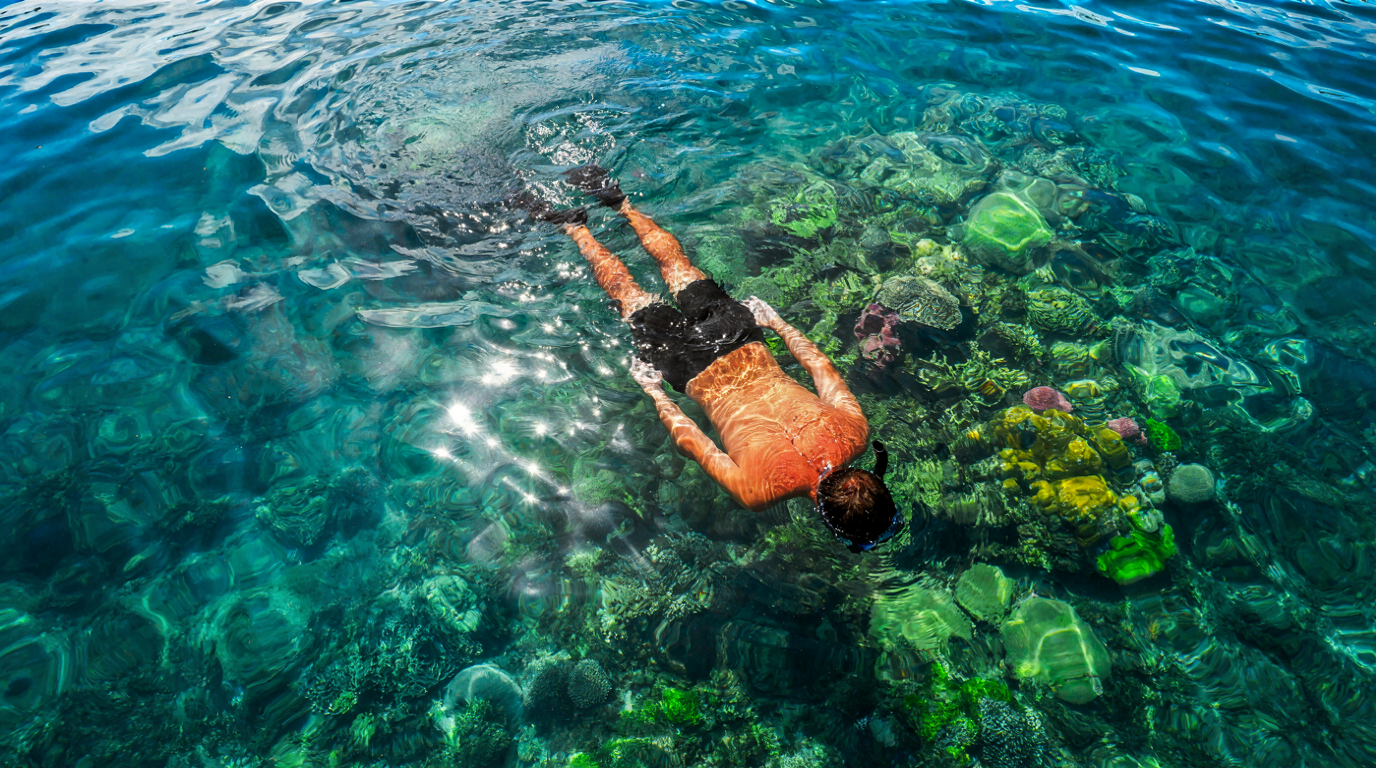
Why Kona Is Made for Beginners
Three things make this coast special for first-timers, and they're all about geography.
First, Kona sits on the leeward (sheltered) side of the island, so the trade winds that churn up other Hawaiian coastlines mostly pass us by. Second, the reefs here grow close to shore in shallow, protected bays — you can float over coral and tropical fish in water where you could stand up. Third, the water is warm year-round, in the high 70s, so there's no cold-shock and no wetsuit required.
Kahalu'u Beach Park, a few minutes from our door, is the textbook example: a lava-rock-protected bay, knee-to-chest-deep entry, and more fish and sea turtles than some people see on expensive boat tours. It even has volunteer ReefTeachers on many days who will happily answer beginner questions right on the sand.
Before You Get Wet: The Five-Minute Gear Check
Most beginner problems aren't ocean problems — they're gear problems. A leaky mask or flooding snorkel can make anyone panic in perfectly safe water. Do this check on dry land, every time:
The mask test. Hold the mask against your face without the strap and inhale gently through your nose. A well-fitting mask will suction to your face and stay put on its own. If it falls, try a different size. Keep hair and sunglasses-strap stubble out of the seal — even a few strands of hair will cause slow leaks.
Defog before you go. A foggy mask is the number-one reason beginners cut their swim short. Baby shampoo (a drop, rubbed in, rinsed once) or commercial defog both work. Spit works in a pinch. Do it before every entry.
The snorkel position. The snorkel attaches to the left side of your mask and should sit comfortably in your mouth without clenching. Practice a few relaxed breaths through it on the beach. Slow and deep beats fast and shallow — you'll hear your own breathing, and that steady Darth Vader rhythm is actually a great calm-down tool.
Fins that fit. Snug but not tight. Walk backward into the water while wearing them, or better, carry them to waist-deep water and put them on there. More beginners fall over putting fins on than doing anything else in the ocean.
The Golden Rules of Ocean Safety
The ocean here is gentle, but it's still the ocean. These rules are non-negotiable, and they're the same ones lifeguards teach island kids:
Never snorkel alone. Always use the buddy system — stay within sight and easy reach of your partner. Solo snorkeling is how experienced people get into trouble, let alone beginners.
When in doubt, don't go out. This is the unofficial motto of Hawaii's lifeguards. If the water looks rough, if waves are breaking over the entry, or if you feel uneasy — wait. Conditions change daily, and the ocean will still be there tomorrow morning.
Go in the morning. Kona's water follows a daily rhythm: calmest and clearest from about 8 to 11 a.m., choppier in the afternoon as the wind picks up. Mornings aren't just prettier — they're measurably safer for new snorkelers.
Swim at beaches with lifeguards while you're learning. Kahalu'u has lifeguards on duty. Start there, and check in with them — a thirty-second "any conditions I should know about today?" is the single smartest habit a visiting snorkeler can build.
Know your exit before you enter. Look at where you'll come out of the water before you get in. Currents can drift you gently down a beach without you noticing while your eyes are on the fish. Pick a landmark on shore and glance up at it every few minutes.
Respect your energy, not your ambition. Fatigue, not waves, causes most beginner rescues. Turn back while you still feel strong, not when you're tired. Your first few sessions should be short — twenty or thirty minutes is plenty.
Never turn your back on the ocean. Even at the water's edge. A surprise set of waves at the shoreline knocks over more people than anything happening out at the reef.
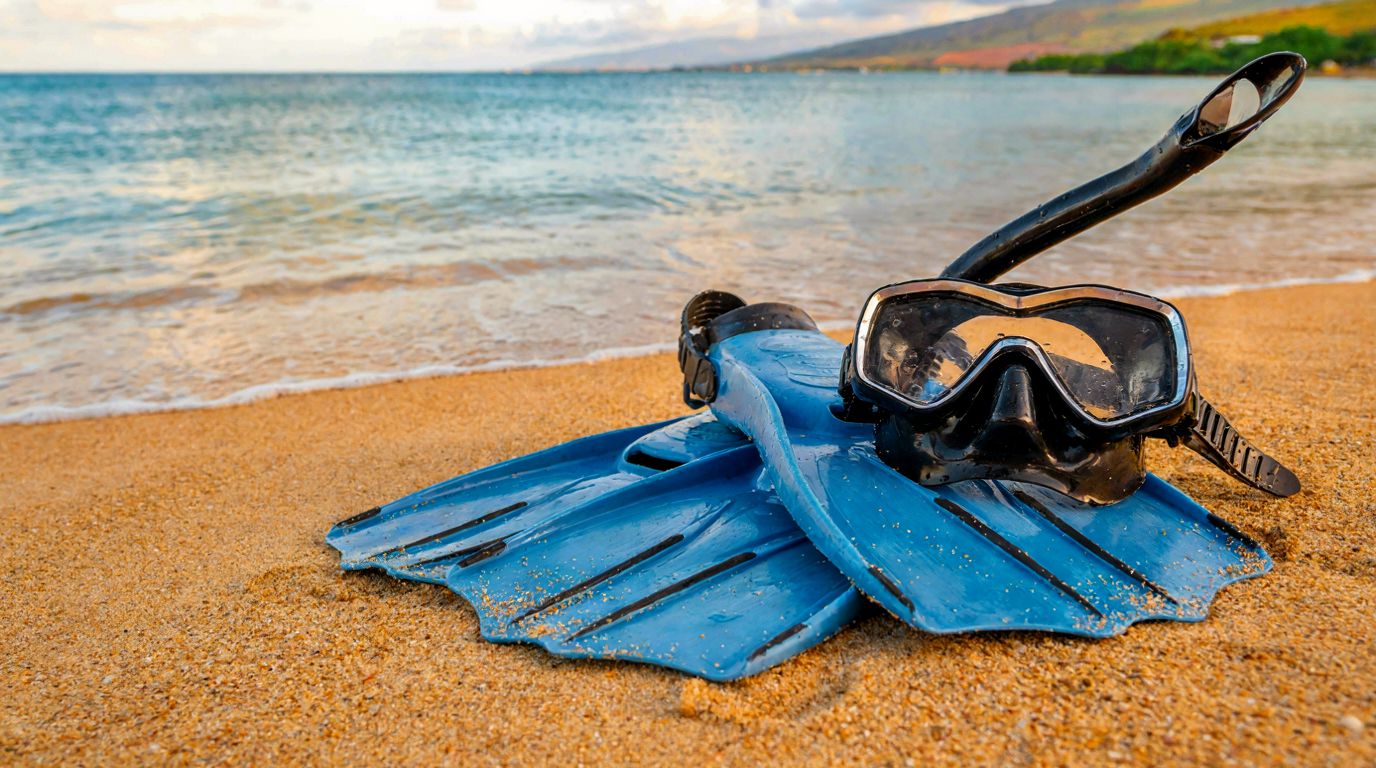
Your First Float: A Step-by-Step Walkthrough
Here's exactly how we coach nervous first-timers, in order:
- Start standing. Walk into calm, waist-deep water with your mask on. Put your face in while standing still and just breathe through the snorkel. That's it. Stay there until the breathing feels boring instead of scary.
- Add the float. Lean forward and let the water hold you. Salt water is more buoyant than the pool water most people learned in — floating is nearly effortless here. Keep your arms relaxed at your sides.
- Add the fins, gently. Slow, long, lazy kicks from the hip, fins staying below the surface. Splashy kicking wastes energy and scares the fish. If you're moving at a relaxed walking pace, you're doing it right.
- Lift your head on your terms. Practice raising your head, treading or standing, and clearing water from your snorkel with one sharp exhale ("two!"). Once you know you can always come up, calm, most anxiety disappears.
- Now go look at fish. You're snorkeling.
One more comfort tip: if a little water gets in your mask, don't rip it off. Press the top of the frame, tilt your head back slightly, and exhale through your nose — the water drains out the bottom. Practice it once in shallow water and it becomes a non-event.
A note on flotation: there is zero shame — none — in wearing a flotation belt or holding a pool noodle your first time out. Plenty of adults do. It removes the "staying up" job entirely so you can focus on breathing and looking. We keep flotation gear with the beach equipment at the condo for exactly this reason.
Protect the Reef That's Hosting You
Hawaii's reefs are under real pressure. Thankfully, being a good guest is easy:
Reef-safe sunscreen only. Hawaii law bans sunscreens containing oxybenzone and octinoxate because they damage coral. Look for "mineral" or "zinc oxide" on the label — or better yet, wear a rash guard and skip the shoulder sunscreen entirely. (Sun protection matters more than you think: your back is facing the tropical sun the entire time you snorkel, and a first-day sunburn is the classic Kona vacation mistake.)
Never stand on, touch, or kick the coral. Coral is fragile and razor-sharp — a single fin-kick can undo decades of growth and slice your foot in the same second. Stay horizontal in shallow spots and give the reef generous clearance.
Admire the honu from a distance. Hawaiian green sea turtles are protected by law. Let them come to you (they often will — they're curious), and never chase, touch, or crowd them. Ten feet of space is the standard. The photo is better when they're relaxed anyway.
Take nothing. Shells, coral fragments, lava rocks — everything stays. It's the law in many spots and good manners everywhere.
Where to Go Once You've Got It
Your learning curve here is fast. Most guests go from nervous to hooked in a single morning, and then the whole coast opens up:
- Session one or two: Kahalu'u Beach Park — lifeguards, easy entry, guaranteed fish.
- Feeling confident: a morning boat or kayak tour to Kealakekua Bay, some of the clearest water in the state.
- The graduation trip: the famous Kona manta ray night snorkel — which, believe it or not, is beginner-friendly, because you simply hold onto a light board and float while the mantas do all the work.
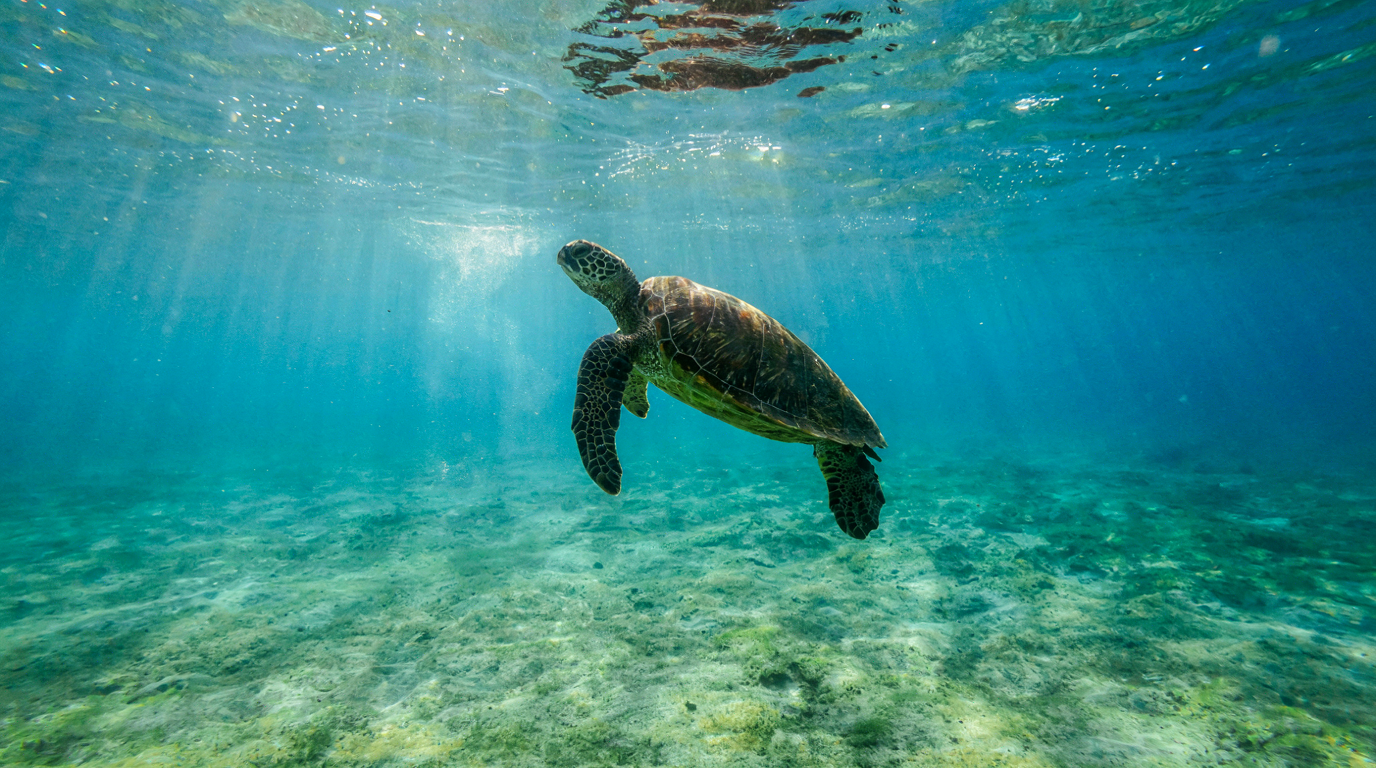
The Easiest First Snorkel in Hawaii Starts Here
Here's the part we're admittedly biased about: learning to snorkel is a hundred times easier when the gear, the calm bay, and the hot shower afterward are all minutes apart. Our guests grab masks, fins, and beach chairs from the condo closet, drive five minutes, and are floating over sea turtles before most visitors have found parking.
If your first snorkel is on your Hawaii bucket list, this is the coast — and the home base — to do it from.
[Check availability for your escape →]
FAQ section
Do you need to know how to swim to snorkel in Kona? Basic water comfort is important, but you don't need to be a strong swimmer. Beginners should start at calm, lifeguarded beaches like Kahalu'u, stay in shallow water, and consider using a flotation belt for extra confidence.
What is the best beach in Kona for first-time snorkelers? Kahalu'u Beach Park is widely considered the best beginner snorkeling beach on the Big Island thanks to its protected bay, shallow water, lifeguards, and abundant sea turtles and reef fish.
What time of day is safest for snorkeling in Kona? Morning, roughly 8 to 11 a.m., offers the calmest and clearest water. Afternoon trade winds make conditions choppier, so beginners should plan their first sessions early in the day.
Is reef-safe sunscreen required in Hawaii?
Yes. Hawaii law prohibits the sale of sunscreens containing oxybenzone and octinoxate. Choose mineral-based zinc oxide sunscreen or wear a rash guard for sun protection.
Kona for Couples: A Romantic Summer Vacation Escape
There are two kinds of romantic Hawaii vacations. One is the resort version: crowded infinity pool, scheduled luau, a mai tai with someone else's timeline attached. The other is the one couples actually talk about years later — slow mornings, an ocean that feels like it's yours, and whole evenings where the only agenda is watching the sky change color.
Kona is built for the second kind. The sunny side of the Big Island has the sunsets, the warm calm water, and — if you choose your home base well — the privacy that turns a trip into an escape. Here's how to plan it, from the first morning coffee to the last night under the stars.
Mornings: Start Slow, Stay Close
The most romantic hour in Kona isn't sunset — it's the one just after sunrise, before the island wakes up. The water is glass, the light is gold, and the coastline is nearly empty.
Make it a ritual: brew Kona coffee (you're in the only place in America that grows it), take it out to the lanai, and watch the morning boats head out from the bay. During winter and spring, this is also prime whale-spotting time — humpbacks breach offshore from December through April, and there are few better shared moments than one of you grabbing the other's arm and pointing.
When you're ready to move, take an early two-person swim or snorkel while the bays are calm and quiet. There's something quietly intimate about floating side by side over a reef before the crowds arrive — like being let in on a secret together.
Days: Adventures Made for Two
Kona's best couples activities share a theme: they're experiences you share, not just attend side by side.
Sail into the afternoon. A small-boat snorkel sail down the coast is the classic Kona day date — warm wind, champagne-colored light on the water, and dolphins that often escort the boats. Book a smaller vessel over a big catamaran if you can; fewer people, better romance.
Kayak Kealakekua Bay. A tandem kayak across one of the clearest bays in Hawaii is equal parts adventure and trust exercise (couples who paddle in sync, stay in sync). Morning tours reach water so transparent it feels like flying.
Drive up the coffee coast. The hills above Kona are a green patchwork of small family farms, and touring one together — walking the orchard rows, tasting side by side, arguing pleasantly about which roast to bring home — makes for an easy, unhurried afternoon. Many farms have views clear down to the ocean.
Take the waterfall day. If you take one long drive, cross the island to the Hilo side, where rainforest waterfalls and botanical gardens deliver the lush, dramatic Hawaii of honeymoon daydreams. It's a genuine road trip — pack snacks, share the playlist duties, stop wherever looks good. Sometimes the drive is the date.
Evenings: The Main Event
Evenings are where Kona out-romances almost anywhere in Hawaii, because the entire west-facing coast is one long front-row seat to the sunset.
The golden hour ritual. Pick your spot — a quiet stretch of seawall, a grassy oceanfront park, or (our obvious favorite) your own lanai with two chairs already facing the right direction. The sun drops into the Pacific nearly every night of the year here, and locals will tell you to watch for the green flash at the final second. Whether or not you ever see it, looking for it together becomes its own little tradition.
Dinner over the water. Kona's oceanfront restaurants set tables close enough to the surf to hear it between courses. Make one reservation for a proper dress-up night early in your trip — sunset seatings go first, so book ahead — and keep the other nights loose: fresh poke and a bottle of wine back at your place beats a mediocre reservation every time.
Swim with manta rays after dark. Hear us out: a night snorkel might not sound romantic until you're actually there — floating hand to hand in the dark, watching wild manta rays with twelve-foot wingspans loop through columns of light beneath you. Couples consistently describe it as the most memorable thing they've ever done together. It's beginner-friendly (you hold a float board the whole time) and the boats leave just minutes from Alii Drive.
Stargaze like nowhere else. On a clear night, drive up-slope away from the coastal lights, spread a blanket on the hood, and look up. The Big Island has some of the darkest, clearest skies on Earth — it's why the world's great observatories are here. No tour required; the sky does all the work.
Timing Your Trip: A Couples' Cheat Sheet
For whale season and cozy evenings: December through April. Humpbacks offshore, slightly cooler nights made for sharing a blanket on the lanai.
For the calmest water and longest days: May through September. Glassy morning swims and late golden hours.
For fewer crowds and better rates: Late April–May and September–October. The island exhales between seasons — arguably the most romantic time of all, simply because you'll share it with fewer people.
And one honest tip that applies year-round: build in at least one day with nothing planned. The couples who leave Kona most in love with it are the ones who let a whole day disappear into swims, naps, and watching the water. That's not wasted vacation. On this coast, that is the vacation.
The Difference a Private Ocean View Makes
Here's what we've learned from years of hosting honeymooners and anniversary trips: the moments couples remember aren't the itinerary items. They're the in-between ones — coffee at sunrise, the whale you spotted from the deck, the sunset you didn't have to drive to.
Those moments need the right setting: a private oceanfront lanai on the quiet end of Alii Drive, front-row Pacific views, and no resort crowds between you and the horizon. That's exactly what we built Kona Ocean Views to be.
[Check availability for your escape →]
FAQs
Is Kona or Maui better for a honeymoon? Kona offers a quieter, less resort-heavy honeymoon than Maui, with world-class sunsets, calm snorkeling water, manta ray night swims, and generally better value on oceanfront accommodations.
What is the most romantic thing to do in Kona? Top choices include a sunset sail along the Kona coast, the manta ray night snorkel, and simply watching the sunset from a private oceanfront lanai — Kona's west-facing coast delivers spectacular sunsets nearly every evening.
When is the most romantic time to visit Kona? December through April adds humpback whale watching to Kona's year-round sunshine, while the shoulder months of May and September–October offer warm water, golden evenings, and fewer crowds.
Do couples need a rental car in Kona? Yes, a rental car is recommended — many of Kona's best couples experiences, like coffee farm tours, stargazing drives, and waterfall day trips, are spread along the coast and up the slopes.
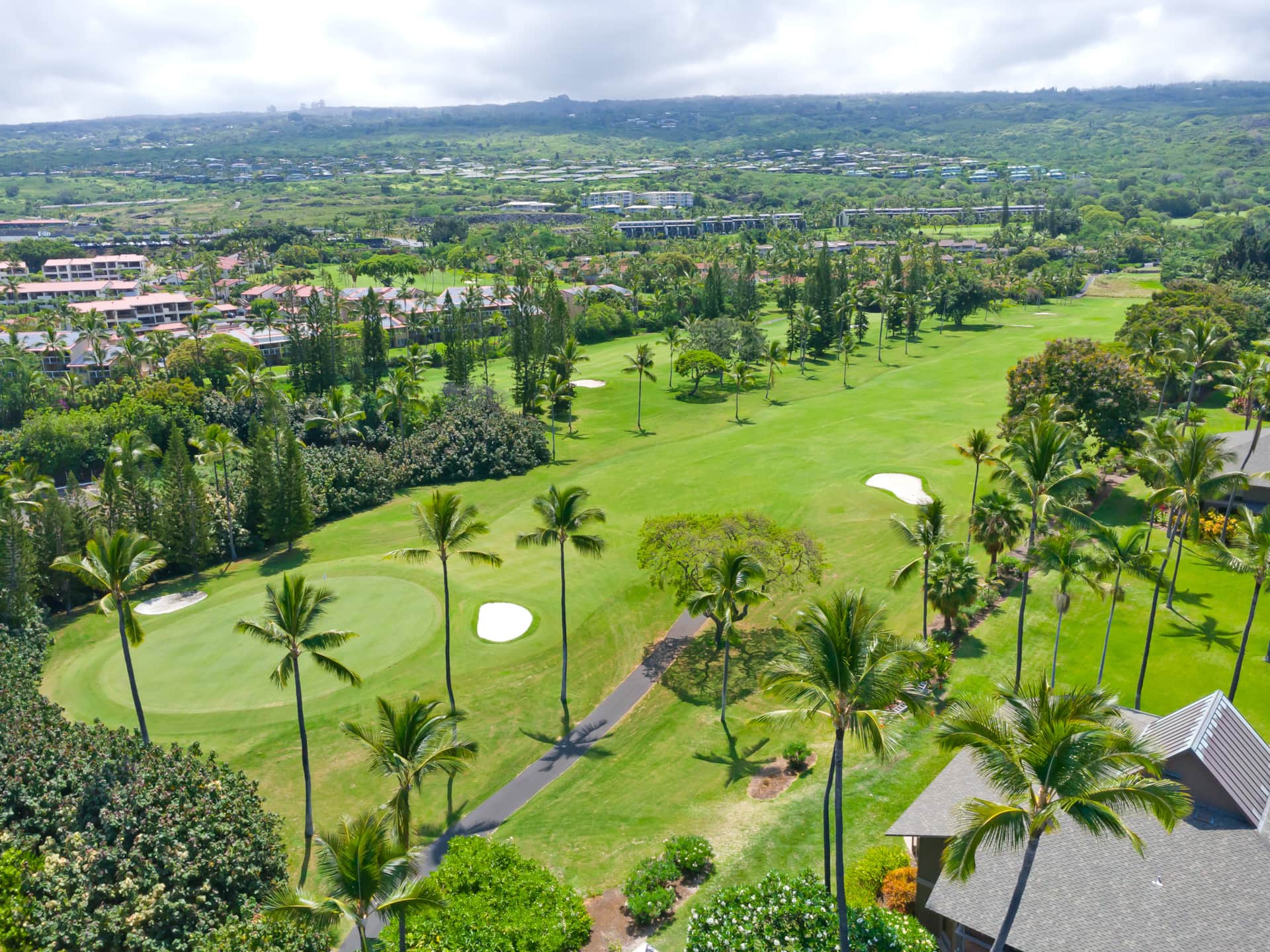
Golfing on the Big Island – Our Favorite Courses Near Kailua-Kona
Whether you're an experienced golfer or just looking to enjoy a round with spectacular Hawaiian scenery, the Kona Coast offers some of the most beautiful golf courses in the state. Here are our top recommendations, all within an easy drive of our vacation rentals.
⛳ 1. Kona Country Club (Best Overall for Our Guests)
Location: Keauhou – about 10 minutes south of downtown Kailua-Kona
Kona Country Club is our number one recommendation because it's the closest course to our Keauhou and Kona vacation rentals. This public, 18-hole championship course sits along the Pacific Ocean with breathtaking views from several holes. Golfers love the relaxed Hawaiian atmosphere, ocean breezes, practice facilities, and stunning sunsets after an afternoon round. It has even been recognized as one of Hawaii's top public golf experiences.
Perfect for:
- Visitors staying in Kona or Keauhou
- Couples and vacation golfers
- Players of all skill levels
🌿 2. Makalei Golf Club (Mountain Golf Experience)
Location: About 20 minutes from Kailua-Kona
For something completely different, head up the slopes of Hualālai to Makalei Golf Club. Instead of ocean views, you'll play through lush forests surrounded by native Hawaiian plants, lava formations, peacocks, wild turkeys, and cool mountain air. The elevation makes it noticeably cooler than the coast, providing a refreshing change from the tropical heat.
Perfect for:
- Nature lovers
- Golfers looking for cooler temperatures
- Anyone wanting a unique Hawaiian golf experience
🌊 3. Mauna Lani Golf (Luxury Resort Golf)
Location: Kohala Coast – approximately 45 minutes north of Kona
Mauna Lani Resort Golf Club features two championship courses that wind through ancient lava fields with incredible ocean views. These resort courses are beautifully maintained and offer one of Hawaii's most memorable golf experiences.
Perfect for:
- Bucket-list golf
- Luxury golf vacations
- Players seeking spectacular scenery
🏝️ 4. Mauna Kea Golf Course
Location: Kohala Coast – about 50 minutes north
Mauna Kea Golf Course is one of Hawaii's most iconic courses. Designed by Robert Trent Jones Sr., it is famous for dramatic oceanfront holes and panoramic coastal views. It's considered a premium golf experience and is well worth the drive for avid golfers.
🏌️ Best Course for You
Closest to our rentals: Kona Country Club
Best ocean views: Kona Country Club, Mauna Lani, and Mauna Kea
Best value: Makalei Golf Club
Best luxury experience: Mauna Lani and Mauna Kea
Helpful Tips
- Reserve tee times well in advance, especially during the winter and holiday seasons.
- Morning tee times generally offer calmer winds and cooler temperatures.
- Rental clubs are available at most courses.
- Bring sunscreen, a hat, sunglasses, and plenty of water.
- After your round, enjoy lunch or a sunset drink at the clubhouse while taking in the beautiful Kona Coast views.
We hope you enjoy golfing on the Big Island and create unforgettable memories during your stay. Aloha and happy golfing!
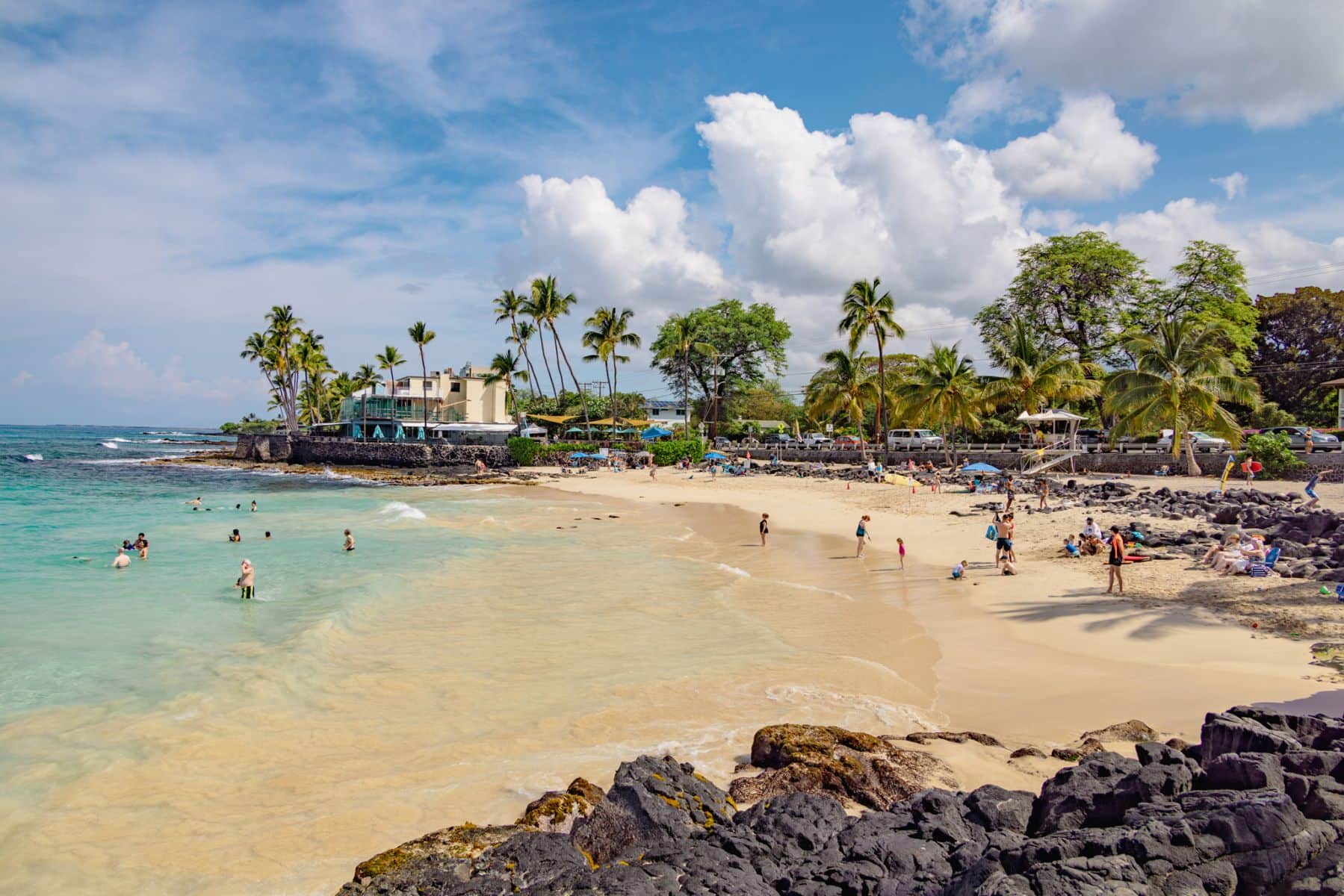
The Best Beaches on Hawaii's Big Island: Your Complete Guide
One of the greatest things about visiting Hawaii Island is experiencing its incredible variety of beaches. Unlike many tropical destinations, the Big Island offers everything from soft white sand and crystal-clear turquoise water to dramatic black sand created by ancient lava flows. Whether you're looking for world-class snorkeling, family-friendly swimming, sea turtle encounters, or simply a peaceful place to relax, you'll find the perfect beach here.
1. Hapuna Beach State Recreation Area
Frequently ranked among the best beaches in America, Hapuna Beach is known for its wide stretch of soft white sand and crystal-clear blue water. During calm summer months it's ideal for swimming, boogie boarding, and snorkeling near the rocky edges. The beach offers restrooms, showers, picnic tables, and lifeguards, making it an excellent choice for families.
2. Kahaluʻu Beach Park
Located just minutes from Keauhou and our vacation rentals, Kahaluʻu Beach Park is considered one of the best snorkeling beaches on the island. The protected bay is filled with colorful tropical fish and Hawaiian green sea turtles. Calm waters make it a wonderful choice for beginners, although reef shoes are recommended because of the rocky shoreline.
3. Magic Sands Beach (Laʻaloa Beach)
This popular Kona beach gets its nickname because winter waves sometimes wash away the sand completely before it returns during calmer seasons. When conditions are good, it's a beautiful place to swim, bodyboard, or simply relax while watching the sunset.
4. Kua Bay (Maniniʻōwali Beach)
With powdery white sand and brilliant turquoise water, Kua Bay often looks like something out of a postcard. The water is incredibly clear, making it perfect for swimming and snorkeling on calm days. Because parking is limited, arriving early is recommended.
5. Mauna Kea Beach
Often called Kaunaʻoa Beach, this crescent-shaped white sand beach offers calm, clear water and beautiful scenery. It's excellent for families and also provides great snorkeling near the rocky ends of the beach. Parking is limited for non-hotel guests, so early arrival is helpful.
6. Punaluʻu Black Sand Beach
One of the most photographed beaches in Hawaii, Punaluʻu's black volcanic sand creates a truly unique experience. Hawaiian green sea turtles frequently rest on the shore, offering visitors unforgettable wildlife viewing opportunities. Please admire the turtles from a respectful distance and never disturb them.
7. Two Step (Hōnaunau Bay)
If snorkeling is your priority, Two Step belongs at the top of your list. The water is exceptionally clear and home to vibrant coral reefs, tropical fish, spinner dolphins (occasionally), and sea turtles. The natural lava "steps" make entering the water surprisingly easy.
8. Spencer Beach Park
This calm, protected beach is perfect for families with young children. Picnic areas, shade trees, restrooms, and gentle water make it an excellent location for a relaxing beach day.
Beach Safety Tips
Hawaii's ocean is beautiful but deserves respect. Always check surf conditions before entering the water. Never turn your back on the ocean, avoid swimming alone, and only enter the water if conditions match your swimming ability. If lifeguards are present, pay close attention to their advice and posted warnings.
Our Favorite Beaches Near Kona & Keauhou
Guests staying with us often enjoy:
- Kahaluʻu Beach Park for snorkeling
- Magic Sands Beach for swimming and sunsets
- Two Step for unforgettable snorkeling
- Kua Bay for postcard-worthy scenery
- Hapuna Beach for a classic Hawaiian beach day
No matter which beach you choose, you'll discover why Hawaii Island offers some of the most diverse and beautiful coastlines in the world. We hope you enjoy exploring these incredible beaches during your stay and create memories that last a lifetime.
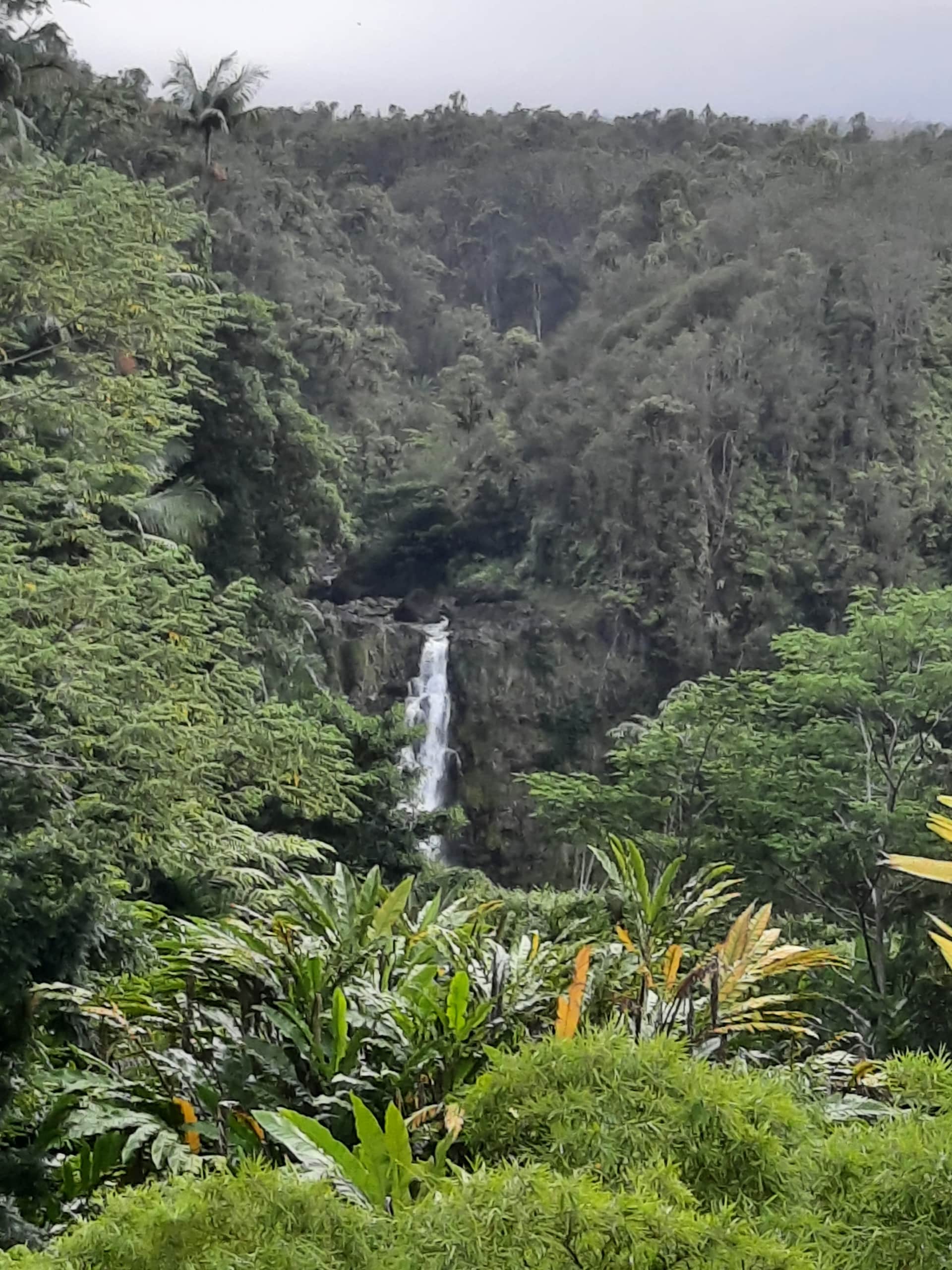
Hidden Gems on the Big Island: 15 Incredible Places Most Visitors Never Discover
If you're planning a vacation to the Big Island of Hawaii, you've probably heard about the famous attractions—Hawaiʻi Volcanoes National Park, manta ray night snorkeling, and Punaluʻu Black Sand Beach. While these iconic destinations are well worth visiting, some of the island's most unforgettable experiences are tucked away in quieter corners that many visitors overlook.
Whether you're staying at our ocean-view vacation rental on Aliʻi Drive in Kailua-Kona or relaxing at our peaceful Keauhou property, these hidden gems are all within an easy drive and offer a chance to experience the authentic beauty of Hawaii.
1. Makalawena Beach
Often called one of the most beautiful beaches in Hawaii, Makalawena Beach requires a short hike across lava fields, keeping crowds away. Crystal-clear turquoise water, soft white sand, and excellent snorkeling make the effort worthwhile.
Drive from our properties: About 30 minutes.
2. Kua Bay at Sunrise
Most visitors arrive in the afternoon, but sunrise transforms Kua Bay into a peaceful paradise. Calm water, colorful skies, and very few people make this one of Kona's best-kept secrets.
3. Kaloko-Honokōhau National Historical Park
Just north of Kailua-Kona, this historic park features ancient Hawaiian fishponds, petroglyphs, and one of the easiest places to spot Hawaiian green sea turtles resting on the shoreline.
4. Puʻuhonua o Hōnaunau National Historical Park
Known as the Place of Refuge, this beautifully preserved Hawaiian cultural site offers stunning ocean views, ancient temples, and peaceful walking paths. It's also located next to Two Step, one of Hawaii's top snorkeling locations.
5. Kealakekua Bay Scenic Overlook
Many visitors kayak to Captain Cook Monument, but the overlook above the bay provides breathtaking panoramic views without getting on the water.
6. Greenwell Farms Coffee Tour
Take a complimentary tour of one of Kona's oldest coffee farms and discover how world-famous Kona coffee is grown and roasted.
7. Mountain Thunder Coffee Plantation
Higher on the slopes of Hualālai, this quieter plantation offers beautiful scenery, coffee tastings, and fascinating volcanic history.
8. Hoʻokena Beach Park
A favorite among locals, Hoʻokena offers excellent snorkeling, calm swimming, and occasional dolphin sightings without the crowds found at more popular beaches.
9. Puʻuhonua Tide Pools
Near the Place of Refuge are beautiful lava tide pools filled with colorful tropical fish and fascinating marine life. They're perfect for exploring during low tide.
10. Holualoa Village
Only minutes above Kailua-Kona, this charming artist community features local galleries, coffee shops, and small boutiques surrounded by Kona coffee farms.
11. Mauʻumae Beach (Locals' Favorite)
This small beach is easy to miss but offers excellent snorkeling and peaceful ocean views away from the busiest beaches.
12. Old Kona Airport Beach Park
Although close to town, many visitors overlook this shoreline park. It's a wonderful place for sunset walks, morning jogs, picnics, and watching local surfers.
13. Paleaku Peace Gardens
High above Keauhou sits one of the island's most tranquil spots. Beautiful gardens, meditation areas, and panoramic coastline views make it perfect for slowing down and enjoying Hawaii's peaceful spirit.
14. Keauhou Bay at Sunrise
Guests staying at our Keauhou vacation rental are just minutes from this beautiful bay. Early mornings often bring calm water, paddlers, dolphins offshore, and spectacular sunrises.
15. Aliʻi Drive's Hidden Sunset Pullouts
One of our favorite recommendations for guests staying at our Aliʻi Drive property is simply taking an evening stroll. Along Aliʻi Drive you'll discover several small shoreline parks and lava rock viewpoints where you can enjoy spectacular sunsets without the crowds found at larger beaches.
Stay Close to the Best Hidden Gems
One of the biggest advantages of staying with us is our convenient locations.
Our Aliʻi Drive Vacation Rental
Perfect for guests who want to walk to restaurants, beaches, shopping, and the famous Kona coastline while remaining close to many of these hidden treasures.
Our Keauhou Vacation Rental
Ideal for travelers looking for a quieter Hawaiian experience surrounded by golf courses, snorkeling, manta ray adventures, and easy access to South Kona's most beautiful scenic spots.
Whether you're visiting for adventure, relaxation, snorkeling, or simply to enjoy breathtaking sunsets, both of our vacation rentals place you within easy reach of some of the Big Island's most memorable experiences.
Plan Your Authentic Big Island Adventure
The Big Island is full of remarkable places beyond the guidebooks. We love helping our guests discover these hidden gems so they can experience the island like a local and create memories that last a lifetime.
When you book one of our Kona vacation rentals, you'll not only enjoy comfortable accommodations and beautiful ocean views—you'll also have a great home base for exploring the very best that Hawaii Island has to offer.
We look forward to welcoming you to paradise!

15 Best Family-Friendly Things to Do on the Big Island of Hawaii (2026 Guide)
Planning a family vacation to Hawaii's Big Island? You've chosen one of the most diverse and exciting islands in the world! From snorkeling with colorful tropical fish to exploring active volcanoes, the Big Island offers unforgettable adventures for visitors of all ages.
When you stay at Kona Ocean Views Vacation Rentals on Aliʻi Drive or in Keauhou, you'll be just minutes from many of the island's top family attractions. Here's our guide to the 15 best family-friendly activities that will make your Hawaiian vacation one to remember.
1. Snorkel at Kahaluʻu Beach Park
Just a few minutes from our Keauhou vacation rental, Kahaluʻu Beach Park is one of the best snorkeling spots on the Big Island for families.
The calm, shallow waters are ideal for beginners, and children love spotting colorful reef fish and Hawaiian green sea turtles. It's an easy and memorable introduction to Hawaii's underwater world.
Family Tip: Arrive early in the morning for the clearest water and fewer crowds.
2. Visit Hawaiʻi Volcanoes National Park
No family trip to the Big Island is complete without visiting one of the world's most incredible national parks.
Kids are fascinated by lava fields, steam vents, the Thurston Lava Tube, and the enormous Kīlauea Caldera. Educational exhibits and scenic overlooks make this an adventure everyone can enjoy.
Plan a full day for your visit and bring comfortable walking shoes.
3. Spend the Day at Hapuna Beach
Frequently ranked among Hawaii's best beaches, Hapuna Beach features soft white sand, gentle waves during calm conditions, and plenty of space for families.
Build sandcastles, swim, boogie board, or simply relax under the Hawaiian sun.
4. Watch the Sunset Along Aliʻi Drive
One of the best parts of staying in our Aliʻi Drive vacation rental is having easy access to Kona's spectacular sunsets.
Take an evening stroll, grab an ice cream, and watch the sky transform into shades of orange, pink, and purple.
It's completely free—and often becomes one of our guests' favorite memories.
Of course, if you stay at our property off Ali'i you will have a large, comfy lanai to watch endless sunsets on.
5. Take a Glass Bottom Boat Tour or Submarine
Not everyone wants to snorkel, especially younger children.
A glass-bottom boat tour or submarine tour lets the whole family experience coral reefs, tropical fish, and sometimes even sea turtles while staying dry. The best place to catch them is downtown Kona.
6. Tour a Kona Coffee Farm
Many Kona coffee farms welcome families with guided tours through lush orchards.
Adults can sample world-famous Kona coffee while kids learn how coffee grows and enjoy beautiful views of the coastline.
Several farms also offer fresh tropical fruit and locally made treats.
7. Visit Puʻuhonua o Hōnaunau National Historical Park
Known as the "Place of Refuge," this beautifully preserved cultural site introduces families to ancient Hawaiian history.
Walk among carved kiʻi (wooden images), royal fishponds, and historic temples while learning about traditional Hawaiian life.
It's educational, peaceful, and one of the island's true treasures.
8. Experience the Famous Manta Ray Night Viewing
Older children and teenagers often consider this the highlight of their vacation.
Whether you choose to snorkel or simply watch from a boat, seeing giant manta rays glide gracefully through the water is unforgettable.
Many tours depart just minutes from our Keauhou property.
9. Explore Akaka Falls
A short walk leads to one of Hawaii's most beautiful waterfalls.
The paved trail winds through a tropical rainforest filled with bamboo, orchids, and giant ferns before revealing the spectacular waterfall.
It's an easy hike suitable for most families.
10. Discover Rainbow Falls
Located near Hilo, Rainbow Falls is easy to access and often displays beautiful rainbows in the morning sunlight.
Kids love the roaring waterfall and lush tropical scenery.
11. Visit the Kona Farmers Market
Browse local crafts, tropical fruits, handmade jewelry, fresh baked goods, and Hawaiian souvenirs.
Children enjoy tasting exotic fruits while parents shop for locally made gifts.
It's a fun way to support local businesses.
12. Build Sandcastles at Magic Sands Beach
Located close to our Aliʻi Drive vacation rental, Magic Sands Beach is perfect for swimming during calm conditions and spending a relaxing afternoon by the ocean.
Bring buckets and shovels—the soft sand is perfect for creative sandcastle competitions.
13. See Sea Turtles at Punaluʻu Black Sand Beach
One of Hawaii's most unique beaches, Punaluʻu features striking black volcanic sand and is famous for Hawaiian green sea turtles basking along the shoreline.
Remember to admire these protected animals from a respectful distance.
14. Stargaze on the Big Island
Thanks to minimal light pollution, the Big Island offers incredible night skies.
After dinner, head outside your vacation rental and look up—you may be amazed by the number of stars visible.
For an even more unforgettable experience, consider a guided stargazing tour on the slopes of Mauna Kea.
15. Relax and Enjoy Your Kona Ocean Views Vacation Rental
Sometimes the best family memories happen without a schedule.
Enjoy breakfast on your private lanai, swim in the pool, play games together, or simply relax while listening to the sound of the ocean.
Many of our guests tell us these quiet moments become their favorite part of the trip.
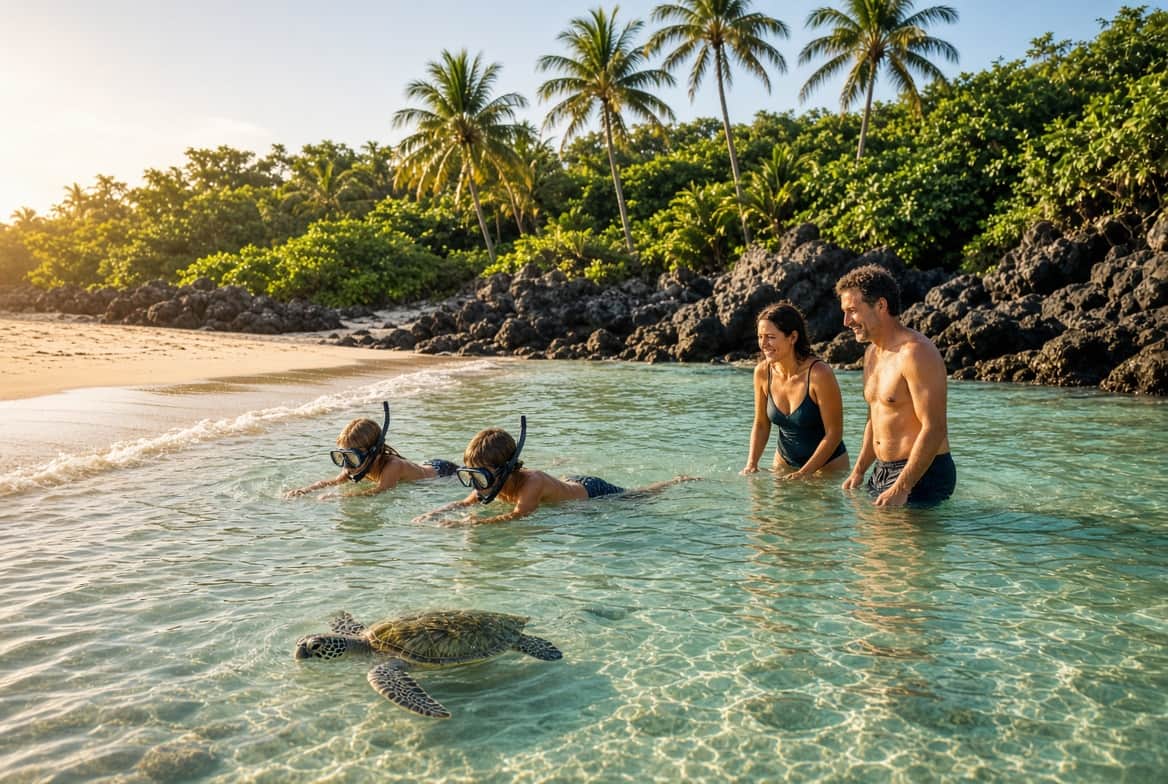
Why Families Love Staying at Kona Ocean Views
Our vacation rentals are designed to make family vacations easy and memorable.
Guests enjoy:
- Spacious accommodations
- Beautiful ocean views
- Easy parking
- Full kitchens
- Swimming pools and hot tubs
- Quick access to beaches
- Minutes from shopping and restaurants
- Convenient location for exploring the entire island
Whether you choose our Aliʻi Drive location near downtown Kona or our peaceful Keauhou property, you'll have the perfect home base for your Big Island adventure.
Plan Your Family Vacation Today
The Big Island offers adventures that every generation can enjoy—from toddlers seeing their first sea turtle to grandparents watching unforgettable Hawaiian sunsets.
Book your stay with Kona Ocean Views Vacation Rentals and discover why so many families return to the Big Island year after year.
We can't wait to welcome your family to paradise. Aloha!

Top 10 Mistakes Visitors Make on the Big Island — And How to Have a Better Hawaii Vacation
Planning a trip to the Big Island of Hawaii is exciting, but it can also be a little overwhelming. Hawaii Island is much bigger and more diverse than many first-time visitors expect. You can go from sunny beaches and palm trees to cool mountain roads, lush rainforests, black lava fields, and an active volcano—all in the same day.
After helping guests experience the Kona Coast, we've noticed that some of the same mistakes come up again and again.
The good news? They're easy to avoid.
If you're planning a Big Island vacation, here are 10 things we recommend knowing before you arrive.
1. Underestimating How Big the Big Island Really Is
This is probably the number-one mistake first-time visitors make.
The Big Island is, well, big. It takes time to get from one side of the island to the other, and many of the places travelers want to visit are spread out across Hawaii Island.
That means you probably don't want to plan a morning snorkeling in Kona, lunch in Hilo, a waterfall hike, and sunset back on the Kona Coast all in one day.
Instead, group your activities by area.
If you're staying in Kailua-Kona or Keauhou, you have an excellent home base for exploring the west and south sides of the island while still being able to make day trips to other areas.
And don't forget to leave some time to simply enjoy where you're staying. You're in Hawaii!
2. Trying to See Everything in One Trip
We understand the temptation.
You start researching things to do on the Big Island and suddenly your list includes beaches, waterfalls, volcanoes, coffee farms, snorkeling, manta rays, hiking, horseback riding, botanical gardens, national parks, scenic drives and more.
It can become exhausting.
Instead of checking off every attraction, choose a few experiences that really matter to you and leave some unplanned time.
One of the best things about a Hawaii vacation is having a slow morning, making coffee, sitting on the lanai, and watching the ocean before deciding what the day will bring.
Sometimes those are the moments you remember most.
3. Staying Somewhere Without Thinking About Location
Where you stay can make a huge difference in your Big Island vacation.
The island has several distinct areas, and they're not interchangeable.
The Kona Coast is known for sunshine, beautiful ocean views, beaches, snorkeling, restaurants, sunsets, and easy access to many popular activities.
That's one reason we love our locations on Aliʻi Drive and in Keauhou.
You're close to the ocean and many of the activities our guests come here to enjoy, while still having a comfortable place to come home to after a day of exploring.
If you're trying to decide where to stay on the Big Island, think about the activities you want to do most—and then choose your home base accordingly.
4. Assuming Every Beach Is Safe for Swimming Every Day
Hawaii's beaches are gorgeous, but the ocean deserves respect.
Conditions can change quickly, and a beach that looks calm one day can have much stronger waves or currents another day.
Don't assume that because you see other people in the water, conditions are safe for everyone.
Pay attention to posted signs, lifeguard recommendations, ocean conditions, and local advice. If you're traveling with children, this is especially important.
And remember: some beaches are better for snorkeling, some for swimming, and some are best enjoyed from the sand.
When in doubt, ask us.
5. Getting Too Close to Sea Turtles
Seeing a Hawaiian green sea turtle in the wild is one of those magical Big Island experiences.
You may spot them while snorkeling, swimming, or relaxing on the beach.
But please give them plenty of space.
Hawaiian green sea turtles are protected, and visitors should never touch, chase, feed, or surround them. Watching a turtle peacefully swimming through the water is much more rewarding than trying to get the perfect selfie.
Give them room, keep your distance, and let them be wild.
6. Forgetting That Hawaii Has Completely Different Microclimates
One of the coolest things about the Big Island is how dramatically the weather can change.
You might leave sunny Kailua-Kona in shorts and arrive somewhere completely different a couple of hours later.
Hilo and the east side of the island are much wetter and greener. Higher elevations can be surprisingly cold. Volcano areas can be chilly, especially in the evening.
Our advice?
Pack layers.
Bring your swimsuit, sunscreen and sandals—but also bring a light jacket, comfortable walking shoes, and something warmer if you're planning to visit higher elevations.
You may be very glad you did.
7. Forgetting Sunscreen, Water and Good Shoes
It's easy to underestimate how much sun and walking you'll experience on a Big Island vacation.
Between beaches, lava trails, snorkeling spots, parks and sightseeing, you'll probably spend more time outside than you expect.
Keep these things with you:
- Reef-conscious sunscreen
- Reusable water bottles
- Sunglasses
- Hats
- Comfortable walking shoes
- Beach towels
- A light layer or jacket
And don't forget to stay hydrated.
The Hawaiian sun can be stronger than visitors realize.
8. Only Visiting the Famous Places
There's nothing wrong with visiting the popular attractions. They're popular for a reason.
But don't be afraid to slow down and explore beyond the biggest tourist stops.
Stop at a local farmers market. Visit a small Kona coffee farm. Grab lunch from a local restaurant. Take a scenic drive. Wander through a historic Hawaiian site. Find a quiet place to watch the sunset.
Some of our guests' favorite Big Island memories come from the places they didn't have on their original itinerary.
That's part of the magic of Hawaii.
9. Forgetting to Leave Time for Kona
It's easy to spend your entire vacation driving around the island and forget to enjoy the place where you're actually staying.
Don't make that mistake.
Spend an afternoon walking along Aliʻi Drive, enjoying the oceanfront scenery, shopping, grabbing something delicious to eat, or simply watching the sunset.
Explore Keauhou, visit the coastline, enjoy the nearby beaches, and take advantage of the restaurants and conveniences close to your vacation rental.
You don't have to drive two hours every day to have an amazing Big Island vacation.
Sometimes your best day is the one where you don't go very far.
10. Booking a Vacation Rental and Never Actually Enjoying It
This one might sound funny coming from a vacation rental owner—but it's true!
We sometimes hear from guests who packed their trip so full that they barely had time to enjoy their accommodations.
One of the biggest advantages of staying in a vacation rental is having space to relax.
Make breakfast together. Have coffee while watching the ocean. Take a swim. Enjoy the pool. Sit outside at sunset. Cook dinner together instead of going out every night.
Those little moments are part of your Hawaii vacation too.
That's one reason we put so much thought into creating comfortable places for guests to come home to after exploring the island.
One More Big Island Tip: Don't Rush
If we could give first-time visitors just one piece of advice, it would be this:
Slow down.
The Big Island isn't a place you need to conquer.
You don't have to see every beach, hike every trail, or visit every attraction.
Leave room for the unexpected.
Maybe you'll find a beautiful lookout you didn't know existed. Maybe you'll spend an hour watching sea turtles. Maybe you'll discover your favorite little restaurant. Maybe you'll sit on the lanai at sunset and realize you don't need to go anywhere at all.
That's Hawaii.
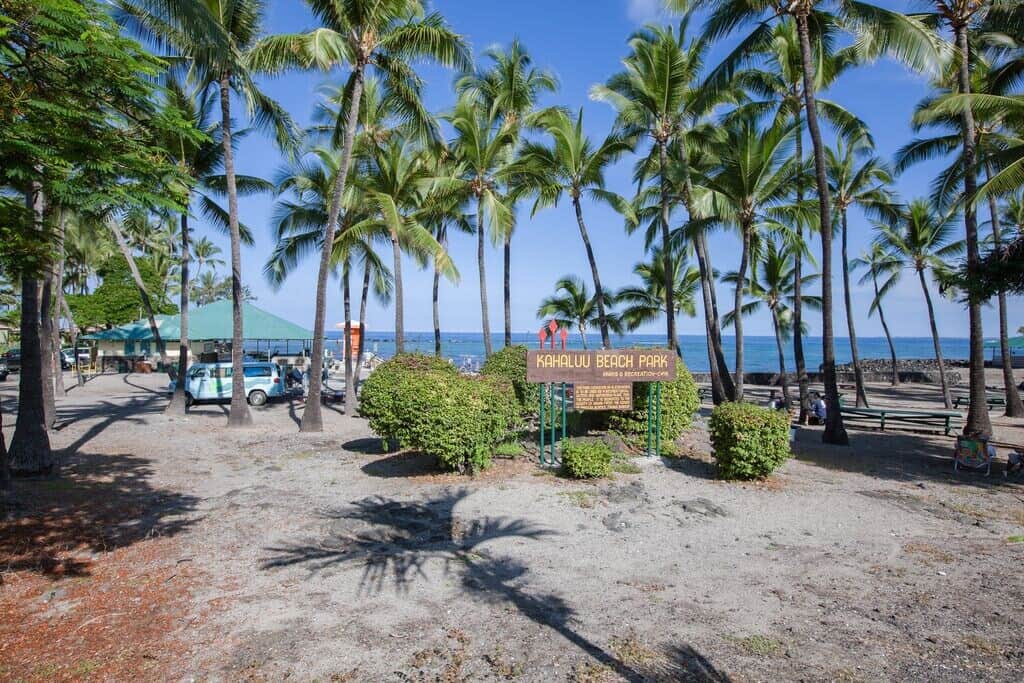
Make Kona Your Home Base
Our Kona Ocean Views vacation rentals on Aliʻi Drive and in Keauhou are designed to give you a comfortable home base while you explore Hawaii Island.
From beaches and snorkeling to restaurants, shopping, coffee farms, historic sites and unforgettable sunsets, the Kona Coast puts you close to so many of the experiences that bring visitors to the Big Island.
And when you're finished exploring for the day, you can come back, put your feet up, and enjoy the view.
Because the best Big Island vacation isn't necessarily the one where you do the most.
It's the one where you have the time to enjoy where you are.
Aloha, and we hope to welcome you to the Big Island soon!
Where to Stay on the Big Island: Kona vs. Hilo vs. Waikoloa vs. Volcano
Planning a trip to Hawaiʻi Island and wondering where to stay on the Big Island?
You're not alone. One of the biggest decisions you'll make when planning a Big Island vacation is choosing the right home base.
Unlike some Hawaiian islands, the Island of Hawaiʻi is enormous. It has dramatically different climates, landscapes, beaches, towns and experiences depending on where you stay. The sunny Kona Coast feels completely different from lush Hilo, the resort communities of Waikoloa or the cool rainforest surrounding Volcano.
The good news? There isn't one "best" place to stay.
There is a best place for the kind of vacation you want.
For many visitors—especially first-time visitors who want sunshine, beaches, snorkeling, restaurants and easy access to West Hawaiʻi's most popular activities—Kona and the surrounding Kona Coast make an excellent home base.
Here's how the major areas compare so you can choose the right location for your Big Island vacation.
Quick Answer: Where Should You Stay on the Big Island?
🌴 Stay in Kona if you want:
- Sunny, generally drier weather
- Easy access to beaches
- Snorkeling and ocean activities
- Manta ray experiences
- Restaurants and shopping
- Historic Kailua Village
- Easy access to South Kona
- A vacation-rental atmosphere rather than being confined to a resort
- A convenient base for exploring the west side of the island
🌺 Stay in Hilo if you want:
- Lush tropical scenery
- Waterfalls
- Rainforest
- A more local, laid-back atmosphere
- Easier access to Hawaiʻi Volcanoes National Park
- East-side adventures
🌊 Stay in Waikoloa if you want:
- Large resort properties
- Beautiful Kohala Coast beaches
- Pools and resort amenities
- Golf
- A quieter resort-community experience
🌋 Stay in Volcano if you want:
- Rainforest
- Cooler temperatures
- Proximity to Hawaiʻi Volcanoes National Park
- A peaceful, nature-focused getaway
So which one is best?
For a first Big Island vacation where you want to experience a little bit of everything, Kona is hard to beat.
Kona: Best All-Around Home Base for Many Visitors
Kailua-Kona sits along the sunny west side of Hawaiʻi Island and is one of the most popular areas for visitors.
The Kona area combines beaches, restaurants, shopping, historic sites, snorkeling, boating, coffee farms and some of the island's most memorable ocean experiences.
The official Hawaiʻi tourism site highlights Kona for its restaurants, historic Kailua Village, coffee farms, snorkeling, diving, sailing, dolphins, sea turtles and manta ray experiences.
And there's another major advantage:
You can actually enjoy your vacation here.
Kona gives you the opportunity to spend the morning snorkeling, have lunch overlooking the ocean, explore a coffee farm in the afternoon and enjoy dinner along Aliʻi Drive—all without spending the entire day in the car.
Why Kona is such a good vacation-rental location
Kona is particularly appealing if you prefer a vacation rental over a traditional hotel.
Having a kitchen, living space, multiple bedrooms and room for the family can make a huge difference when you're staying on the island for a week or longer.
Instead of packing everyone into one hotel room, a vacation rental can give your group space to spread out, prepare breakfast before heading out for the day and come home to a comfortable place that feels more like your own Hawaiian retreat.
And that's one of the reasons we love Kona as a home base.
Keauhou: A Great Choice for a Quieter Kona Vacation
Just south of Kailua-Kona is the Keauhou area.
Keauhou is especially appealing to travelers who want to be close to Kona without being directly in the middle of the busiest part of town.
It's also an excellent location for exploring South Kona.
From Keauhou, you're positioned nicely for adventures toward:
- Kealakekua Bay
- Captain Cook
- Puʻuhonua o Hōnaunau
- South Kona coffee country
- Snorkeling and diving excursions
- Manta ray experiences
- Kona's restaurants and shopping
Keauhou also has an important advantage for ocean lovers: Keauhou Bay is one of the major departure areas for manta ray experiences.
If swimming with manta rays is on your Big Island bucket list, staying in the Kona/Keauhou area can make that experience particularly convenient.
For guests who want a quieter vacation while still being close to Kona, Keauhou can be a wonderful middle ground.
Waikoloa: Best for a Resort-Style Vacation
Waikoloa is located farther north along the Kohala Coast.
This area is known for large resort communities, golf courses, pools, restaurants and access to some of the island's most beautiful white-sand beaches.
If your dream Hawaii vacation looks like:
pool → beach → golf → dinner → repeat
then Waikoloa may be exactly what you're looking for.
The Kohala Coast is home to many of the island's major luxury resorts and some of its best-known beaches.
Waikoloa is especially good for:
- Resort vacations
- Families who love pools
- Golf trips
- Beach vacations
- Luxury travelers
- Travelers who don't mind staying farther from Kona town
The tradeoff?
Waikoloa is farther from Kailua-Kona and South Kona.
If you plan to spend a lot of time exploring the southern portion of the island, you'll be doing more driving.
That's not necessarily bad—it simply depends on what you want your vacation to look like.
Hilo: Best for Rainforests, Waterfalls and the East Side
Now let's cross the island.
Hilo is located on the windward, eastern side of Hawaiʻi Island.
And it is a completely different experience from Kona.
Hilo is lush, green and tropical, with waterfalls, gardens, rainforest and a much more local-town feeling.
The official Hawaiʻi tourism site highlights Hilo for attractions including ʻAkaka Falls, Rainbow Falls, Liliʻuokalani Gardens and its dining and shopping.
Stay in Hilo if you want:
- Waterfalls
- Rainforest
- Botanical gardens
- A more local atmosphere
- Easy access to the eastern side
- Shorter drives toward Hawaiʻi Volcanoes National Park
Hilo is also much wetter than Kona.
That's one of the reasons the landscape is so incredibly green.
The contrast between Kona and Hilo is one of the things that makes Hawaiʻi Island so special.
You can wake up on the dry, sunny Kona Coast and later find yourself surrounded by lush rainforest on the other side of the island.
Volcano: Best for Hawaiʻi Volcanoes National Park
If your primary reason for visiting Hawaiʻi Island is Hawaiʻi Volcanoes National Park, staying in Volcano Village can make a lot of sense.
Volcano is surrounded by cool, lush rainforest and sits near the national park.
It feels almost like another world compared with the sunny Kona Coast.
Volcano is perfect for:
- Volcano enthusiasts
- Hikers
- Nature lovers
- Rainforest experiences
- Cooler temperatures
- Travelers who want a quiet getaway
It's also a wonderful option for adding one or two nights to a longer Big Island trip.
Instead of driving all the way from Kona to the volcano area and back in one day, you can spend the night and experience the area at a slower pace.
Kona vs. Hilo: Which Side Should You Choose?
This is probably the biggest decision first-time visitors face.
Here's the simple version:
| If you want... | Choose... |
|---|---|
| ☀️ Sunshine | Kona |
| 🏖️ Beaches | Kona / Kohala |
| 🤿 Snorkeling | Kona |
| 🐠 Manta rays | Kona / Keauhou |
| 🌴 Rainforest | Hilo / Volcano |
| 💦 Waterfalls | Hilo |
| 🌋 Volcanoes | Hilo / Volcano |
| 🏌️ Golf | Kona / Waikoloa |
| 🍽️ Restaurants & nightlife | Kona |
| 🏝️ Resort experience | Waikoloa |
| 🌺 Quiet rainforest getaway | Volcano |
| 👨👩👧👦 Family beach vacation | Kona / Waikoloa |
| 🌊 Ocean-focused vacation | Kona / Keauhou |
The island's official tourism resources divide Hawaiʻi Island into distinct regions including Kona, Kohala, Hilo, Puna, Kaʻū and Hāmākua, reflecting just how different the experiences can be across the island.
What About Staying in Two Different Places?
If you're staying for a week or longer, splitting your trip can be a fantastic option.
For example:
7-night trip
5 nights — Kona or Keauhou
Use your Kona rental as your main home base for:
- Beaches
- Snorkeling
- Manta rays
- Coffee farms
- South Kona
- Captain Cook
- Restaurants
- Shopping
- Relaxing by the pool
Then:
2 nights — Hilo or Volcano
Use those nights to explore:
- Hawaiʻi Volcanoes National Park
- Waterfalls
- Rainforest
- Hilo
- Puna
This lets you experience both sides without spending as much time driving back and forth.
Several current Big Island travel guides recommend a similar approach for longer trips because the island is so large.
Why We Love Kona as a Home Base
For our guests, one of the biggest advantages of staying in Kona is the combination of location, sunshine, ocean access and comfort.
You aren't simply choosing a place to sleep.
You're choosing where you'll come home after a day exploring the island.
Imagine waking up, having coffee with an ocean view, heading out for a snorkeling adventure, stopping for lunch, exploring a coffee farm, watching the sunset and then returning to your own comfortable vacation home.
That's the kind of Big Island vacation we love.
Our Kona and Keauhou vacation rentals are designed to give guests the space and comforts of a home while putting them in a fantastic location for exploring Hawaiʻi Island.
Whether you're traveling with kids, planning a romantic getaway, bringing friends or simply want more room than a traditional hotel provides, having a vacation rental as your home base can completely change the experience.
How Far Is Everything From Kona?
One of the biggest questions guests ask is whether staying in Kona means they'll be too far from the rest of the island.
The answer is: you can absolutely explore the island from Kona—but plan your days intelligently.
The Big Island is big.
You don't want to spend every day driving from one end to the other.
Instead, group attractions by region.
A Kona day
Stay close to the west side:
Kona → coffee country → snorkeling → beach → dinner
A South Kona day
Kona → Kealakekua Bay → Captain Cook → Puʻuhonua o Hōnaunau → South Kona
A Kohala Coast day
Kona → Waikoloa → Hapuna Beach → Kohala Coast → sunset
A Volcano day
Leave early → Hawaiʻi Volcanoes National Park → explore the park → return to Kona
Or, for a longer vacation, spend the night near the volcano.
The key is to stop trying to see the entire island in one day.
So, Where Should You Stay on the Big Island?
If you want the short answer:
Choose Kona if you want the best all-around vacation base.
Choose Keauhou if you want a quieter Kona-area location with excellent access to South Kona and ocean activities.
Choose Waikoloa if you want a resort and beach vacation.
Choose Hilo if you want waterfalls, rainforest and the east side.
Choose Volcano if your priority is Hawaiʻi Volcanoes National Park and a peaceful rainforest setting.
And if you have enough time?
Consider experiencing both sides.
But for many first-time visitors, especially families and travelers who want beaches, snorkeling, restaurants, sunshine and plenty of things to do, Kona is an excellent place to call home during your Big Island vacation.
Ready to Plan Your Kona Vacation?
Choosing the right location is the first step.
The next step is finding a vacation home that gives you the space, views, amenities and location you want.
If you're looking for a comfortable Kona or Keauhou vacation rental, take a look at our properties and find your perfect Big Island home base.
Come stay with us, explore Hawaiʻi Island at your own pace, and make Kona your home away from home. 🌺🌴🌊
More Big Island Planning Guides
- [7-Day Big Island Itinerary]
- [Top 15 Family-Friendly Things to Do on the Big Island]
- [15 Best Beaches on the Big Island]
- [Top 10 Mistakes Visitors Make on the Big Island]
- [Best Snorkeling Spots on the Big Island]
- [25 Free Things to Do on the Big Island]
Travel information, access, weather and attraction conditions can change. Always check official park and attraction information before heading out.
Best Time to Visit the Big Island of Hawaii: Weather, Crowds, Prices & What to Expect Each Month
Wondering when is the best time to visit the Big Island of Hawaii?
The good news is that there really isn't a bad time to visit Hawaiʻi Island. Unlike many vacation destinations, the Big Island doesn't have dramatic seasonal temperature changes. Hawaii has essentially two seasons—summer from May through October and winter from November through April—and temperatures remain comfortable throughout the year.
But there are differences depending on when you visit.
Rainfall, ocean conditions, whale season, school vacations, crowds, prices and special events can all affect your experience.
And there's one thing that makes the Big Island especially interesting:
Where you stay can matter just as much as when you visit.
The Kona side of the island is generally much drier and sunnier than Hilo and the windward side because of the mountains that shelter the leeward coast from the prevailing trade winds. Hawaiʻi's official tourism information notes that rainfall can vary dramatically from one part of the island to another, sometimes within a relatively short distance.
So let's break down the best time to visit the Big Island—and what you can expect during every month of the year.
Quick Answer: When Is the Best Time to Visit the Big Island?
🌺 Best overall:
April–May and September–October
These shoulder-season months can offer a wonderful combination of pleasant weather, fewer visitors and potentially better vacation prices than the busiest travel periods.
☀️ Best for sunshine and dry weather on the Kona Coast:
May–October
Summer is generally the drier half of the year across Hawaii, although local weather varies considerably by location.
🐋 Best for whale watching:
January–March
Humpback whales typically spend the winter months in Hawaiian waters, making this the prime time for whale watching.
👨👩👧👦 Best for families:
April–May and September–October
These months can be an excellent balance of weather, activities and somewhat lighter crowds.
💰 Best for value:
September and parts of the shoulder seasons
September is often considered one of the better-value periods for a Big Island vacation, although prices vary by property, dates and events.
🏖️ Best for a beach vacation:
May–October
The warmer, drier summer period is a popular choice for travelers focused on beaches and outdoor activities.
Big Island Weather: What You Really Need to Know
One of the biggest mistakes travelers make is assuming the entire Big Island has the same weather.
It doesn't.
Hawaiʻi Island has an incredible range of microclimates because of its mountains, elevation and prevailing winds. You can experience sunny beaches, tropical rainforest, cool high-elevation areas and even snow at the summit of Mauna Kea—all on the same island.
Kona vs. Hilo Weather
This is particularly important when choosing your vacation rental.
Kona and the west side are generally much drier.
Hilo and the east side are much wetter and greener.
That rainfall difference is what helps create the dramatic contrast between the two sides of the island.
If you're dreaming about waking up to sunshine, spending the day at the beach and enjoying outdoor activities, the Kona Coast is a particularly appealing home base.
If you love waterfalls, rainforest and lush tropical scenery, Hilo can be wonderful.
And you don't have to choose only one side to explore.
One of the best things about the Big Island is that you can stay in sunny Kona and take day trips to experience the completely different landscapes on the other side.
January: Whale Season and Winter in Hawaii
January is a wonderful month for a Big Island vacation, particularly if seeing humpback whales is on your bucket list.
Winter is Hawaii's wetter season, but don't automatically assume that means you'll have rainy days throughout your entire vacation. Hawaii's rainfall is highly localized, and the official tourism site notes that winter rain doesn't generally disrupt vacation plans because conditions can be very different from one side of the island to another.
January is great for:
- 🐋 Whale watching
- 🌴 Comfortable temperatures
- 🌋 Exploring Hawaiʻi Volcanoes National Park
- 🤿 Snorkeling on favorable ocean days
- 🌺 Hiking and sightseeing
- 🌅 Beautiful winter sunsets
Keep in mind:
New Year's travel can be busy and expensive, while the remainder of January can offer a quieter experience.
Our take: January is an excellent choice if whales are important to you.
February: One of the Best Months for Whale Watching
February continues the winter whale season and is a favorite month for travelers who want to see humpbacks.
Temperatures remain comfortable, and you can enjoy beaches and outdoor activities without the intense summer heat.
February is great for:
- 🐋 Whale watching
- ❤️ Romantic getaways
- 🌴 Comfortable beach weather
- 🤿 Snorkeling
- 🚶 Hiking
- ☕ Kona coffee experiences
If you're planning a honeymoon or couples' getaway, February can be especially appealing.
Our take: A fantastic month for romance, whales and comfortable temperatures.
March: Whales + Improving Weather
March is one of our favorite months for travelers who want a little bit of everything.
Humpback whale season is still underway, while spring brings increasingly favorable conditions.
You may also find that crowds are more manageable depending on your exact dates, although spring-break travel can increase demand.
March is great for:
- 🐋 Whale watching
- 🏖️ Beach days
- 🤿 Snorkeling
- 🌺 Hiking
- 🌋 Volcano adventures
- 📸 Photography
Our take: If whales are a priority, March is one of the strongest months to consider.
April: A Fantastic Shoulder-Season Month
April is one of those months that can offer an excellent balance.
The weather begins transitioning toward the drier summer pattern, while winter whale season winds down.
Crowds can also ease outside of spring-break and holiday periods.
April is great for:
- Families
- Beaches
- Snorkeling
- Hiking
- Sightseeing
- Coffee farms
- Exploring the island by car
Our take: April is one of our favorite all-around months for a Big Island vacation.
May: Warm, Beautiful and Less Busy
May is a wonderful time to visit the Big Island.
Summer is approaching, temperatures are warm and the weather on the Kona Coast can be excellent for outdoor activities.
It's also a great month for travelers who want to avoid the busiest summer vacation period.
May is great for:
- 👨👩👧👦 Families
- 🏖️ Beaches
- 🤿 Snorkeling
- 🚗 Road trips
- 🌺 Hiking
- ☕ Coffee tours
- 🌊 Ocean adventures
Our take: One of the best months for a relaxed Big Island vacation.
June: Summer Begins
June brings longer summer days, warm temperatures and plenty of opportunities to enjoy the ocean.
Families begin traveling for summer vacation, so demand can increase as the month progresses.
June is great for:
- Beach vacations
- Family trips
- Snorkeling
- Surfing
- Boating
- Hiking
- Sunset cruises
Our take: Excellent weather for an active Hawaii vacation, but book popular accommodations and tours ahead of time.
July: Sunshine, Summer and Family Vacations
July is one of the busiest summer travel months.
If you're traveling with children, however, the timing can be perfect because school is out and virtually every type of outdoor activity is available.
The Kona Coast is especially attractive for summer travelers who want sunshine, beaches and ocean activities.
July is great for:
- 👨👩👧👦 Family vacations
- 🏖️ Beach days
- 🤿 Snorkeling
- 🐢 Seeing Hawaiian green sea turtles
- 🚤 Boat tours
- 🌋 Island adventures
Keep in mind:
Vacation rentals, flights and popular tours can fill quickly during summer.
Our take: Fantastic for families—but don't wait until the last minute to book.
August: Warmest Summer Weather
August is another popular month for Hawaii vacations.
Temperatures are and ocean are warm, ocean activities are popular and families continue to take advantage of summer break.
If your ideal Hawaii vacation involves spending lots of time outdoors, August can be a great choice.
August is great for:
- 🏖️ Swimming
- 🤿 Snorkeling
- 🌊 Ocean adventures
- 👨👩👧👦 Family vacations
- 🌴 Pool days
- 🌅 Sunset watching
Our take: Great for summer travelers who don't mind the higher demand.
September: One of Our Favorite Months
If you have flexibility with your travel dates, September deserves serious consideration.
The summer crowds begin to thin, temperatures remain warm and the Kona Coast can still offer excellent beach weather.
Some travel sources identify September as one of the better months for combining good weather with fewer crowds and better value.
September is great for:
- 💰 Better vacation value
- 🏖️ Beach vacations
- 🤿 Snorkeling
- Couples
- Families
- Relaxed travel
- Fewer crowds
Our take: ⭐ One of our top picks for an overall Big Island vacation.
October: Beautiful Fall Weather
October can be another excellent shoulder-season month.
The weather is generally warm, and many travelers find the island more relaxed than during the busiest summer periods.
However, there is an important consideration in 2026:
The IRONMAN World Championship takes place in Kailua-Kona around October 10 each year or the second weekend of October.
If you're planning to visit around that event, expect significantly higher demand for accommodations and transportation in the Kona area.
If you aren't coming for IRONMAN, simply check the event dates before booking.
October is great for:
- 🏖️ Beaches
- 🤿 Snorkeling
- Couples
- Photography
- Hiking
- Coffee tours
- Shoulder-season travel
Our take: Excellent month—just plan around major events.
November: A Quiet Time to Explore
November marks the transition toward Hawaii's wetter winter season.
But remember: wetter season doesn't mean nonstop rain.
Weather is extremely localized on the Big Island, and Kona can have very different conditions from Hilo on the same day.
November can also be a nice time for travelers who prefer a quieter atmosphere.
November is great for:
- Hiking
- Volcano adventures
- Coffee country
- Scenic drives
- Fewer crowds
- Relaxed vacations
Our take: A great month for travelers who don't need every day to be a perfect beach day.
December: Holiday Hawaii
December is a magical time to visit Hawaii.
Imagine trading snow and freezing temperatures for palm trees, warm ocean water and a Kona sunset.
The holidays can make December one of the busiest and most expensive periods, particularly around Christmas and New Year's.
But if you're looking for a memorable holiday vacation, it's hard to beat.
December is great for:
- 🎄 Christmas in Hawaii
- 🐋 Beginning of whale season
- Family vacations
- Romantic getaways
- Warm-weather escapes
- Holiday celebrations
Our take: Beautiful and memorable—but book early.
Big Island Weather by Month at a Glance
| Month | Weather | Crowds | Best For |
|---|---|---|---|
| January | Mild, winter season | Moderate–High | 🐋 Whales |
| February | Mild | Moderate–High | 🐋 Whales & romance |
| March | Warm, improving | Moderate | 🐋 Whales & activities |
| April | Warm, drier | Moderate | ⭐ Overall balance |
| May | Warm & pleasant | Moderate | ⭐ Families & value |
| June | Warm & sunny | High | 👨👩👧👦 Summer families |
| July | Warm & sunny | High | 🏖️ Beach vacations |
| August | Warmest period | High | 🌊 Ocean activities |
| September | Warm & relaxed | Lower | ⭐ Value & fewer crowds |
| October | Warm & pleasant | Moderate | ⭐ Shoulder season |
| November | Mild, wetter season | Lower–Moderate | 🌋 Exploring |
| December | Mild | High | 🎄 Holidays & whales |
What Is the Cheapest Month to Visit the Big Island?
There's no single guaranteed cheapest month because airfare, vacation rentals, holidays, school schedules and special events all affect prices.
However, September is frequently identified as one of the better-value months, along with other shoulder-season periods such as May and parts of October and November.
If saving money is important, consider traveling:
- After summer vacation ends
- Outside Christmas and New Year's
- Outside major school breaks
- Outside major Kona events
- During shoulder seasons
And remember that the best deal isn't always the lowest nightly rate.
A vacation rental with a kitchen, multiple bedrooms and living space can sometimes provide better overall value for families or groups than booking multiple hotel rooms.
When Is the Best Time for Snorkeling?
The Big Island is famous for snorkeling, particularly along the Kona Coast.
Ocean conditions can vary from day to day, so it's more useful to think about local conditions and the specific beach or tour rather than assuming one month is always perfect.
Spring, summer and fall are generally attractive periods for travelers focused on snorkeling and ocean activities, while winter can bring larger swells to some exposed coastlines.
One of the biggest advantages of staying in Kona is having easy access to numerous ocean activities.
And if swimming with manta rays is on your bucket list, manta ray experiences operate year-round rather than being limited to a particular season.
When Is Whale Season on the Big Island?
Humpback whales typically return to Hawaiian waters during the winter months.
The strongest whale-watching period is generally January through March, although whales can be present during a broader December-to-April window.
If whale watching is the main reason for your trip, winter is definitely the time to visit.
And staying on the Kona Coast gives you access to whale-watching excursions as well as all the other ocean adventures Kona is known for.
Is the Big Island Rainy?
Yes—and no.
The Big Island has rain, but where you're staying makes an enormous difference.
Hilo and the windward side are lush and receive substantially more rainfall because they face the prevailing trade winds.
Kona sits on the leeward side of the mountains, creating a much drier climate.
Hawaiʻi's official tourism information explains that the mountains force moist trade winds upward, producing much of the rainfall on the windward side, while the leeward sides can remain considerably drier.
This is one of the reasons we love the Kona Coast as a vacation base.
You can wake up to sunshine in Kona, drive across the island and find yourself surrounded by rainforest and waterfalls later the same day.
Why Kona Is a Great Place to Stay Year-Round
One of the biggest reasons visitors choose Kailua-Kona is its combination of weather, location and things to do.
From Kona, you can easily enjoy:
🏖️ Beaches
🤿 Snorkeling
🐢 Sea turtles
🐋 Seasonal whale watching
🌊 Manta ray adventures
☕ Kona coffee country
🌋 Volcano excursions
🏌️ Golf
🍽️ Restaurants
🛍️ Shopping
🌅 Incredible sunsets
The official Hawaiʻi Island tourism site specifically highlights Kona's historic village, coffee plantations, ocean adventures and nearby cultural and natural attractions.
And because the island is so large, having a comfortable home base becomes especially important.
The Best Time to Visit Depends on Your Vacation
There isn't one perfect month for everyone.
If you want the best combination of weather and value:
April, May, September or October
If you want whales:
January, February or March
If you want a summer family vacation:
June, July or August
If you want fewer crowds:
September, May or November
If you want a holiday in Hawaii:
December
If you want warm, sunny beach weather:
Late spring through early fall
If you want to avoid the busiest periods:
Avoid major holidays, school breaks and major events—and book your accommodations early.
Our Favorite Big Island Vacation Strategy
If we had to choose one approach for a first-time visitor, we'd look closely at April–May or September–October.
These periods can provide an excellent balance of:
☀️ Beautiful weather
🏖️ Great beach days
🤿 Ocean adventures
🚗 Comfortable exploring
👨👩👧👦 Family-friendly activities
🌴 Fewer crowds than peak periods
💰 Potentially better value
And if your schedule only allows winter or summer, don't worry.
The Big Island is a year-round destination.
The key is understanding what each season offers and choosing the location that best matches the vacation you want.
Make Kona Your Home Base
After choosing your travel dates, the next decision is where to stay.
For many visitors, Kailua-Kona and Keauhou are wonderful home bases for exploring Hawaiʻi Island.
You get the sunny west side, access to beaches and ocean activities, restaurants, shopping and some of the island's most popular attractions—all while having a comfortable place to return to at the end of the day.
That's exactly what we love about our Kona vacation rentals.
Instead of simply having a hotel room, you can have a place where your family or group can spread out, prepare meals, relax after a day of exploring and enjoy your own Hawaiian home away from home.
Whether you're planning a family vacation, romantic getaway, friends' trip or a longer Big Island adventure, choosing the right home base can make a huge difference.
Ready to start planning your Hawaii vacation?
Take a look at our Kona and Keauhou vacation rentals and find the perfect place to make your Big Island memories.
🌺 Come for the adventure. Stay for the sunsets. Leave with memories you'll never forget.
More Big Island Vacation Guides
Planning your trip? Check out our other Big Island guides:
- Where to Stay on the Big Island: Kona vs. Hilo vs. Waikoloa vs. Volcano
- Why Choose Kailua-Kona for Your Big Island Vacation?
- Top 10 Mistakes Visitors Make on the Big Island
- 15 Best Family-Friendly Things to Do on the Big Island
- 15 Best Beaches on the Big Island
- 7-Day Big Island Itinerary
- 25 Free Things to Do on the Big Island
Weather, attraction schedules, ocean conditions, prices and events can change. Check current conditions and official attraction information when planning your specific trip.